You had your cat declawed hoping it would be the end of shredded sofas and torn curtains. So when you see your cat dragging its paws down the arm of your couch, it can feel confusing, even frustrating. But here is the truth: scratching is not just about claws. It is a fundamental, instinctive behavior that goes far beyond the nail itself. Even after declawing, your cat still needs to scratch. Let’s break down exactly why this happens and what you can do about it.
The Real Reason: Scratching Is More Than Just Sharpening Claws
Scratching serves multiple purposes for a cat, and only one of them involves nail maintenance. Cats scratch to leave both a visual mark and a scent mark from glands in their paws. This is how they claim territory and feel secure in their environment. The motion also allows them to stretch their spine, shoulders, and legs in a satisfying full-body release. Even without claws, the act of raking their paws against a surface still provides that stretch and leaves their scent. So your cat is not ignoring the surgery, it is simply following a deep, natural urge that has nothing to do with having sharp nails.
“Scratching is a cat’s way of saying ‘I was here, and I feel safe.’ That need doesn’t disappear with a surgery.”
Could It Be Pain or Discomfort?
Some cats continue scratching because the declaw surgery itself can cause long-term physical changes. Declawing is not just removing the nail, it is amputation of the last bone of each toe. This can lead to nerve damage, phantom limb sensations, or chronic pain. Your cat may scratch furniture as a way to try to relieve that discomfort, similar to how we rub a sore muscle. If you notice your cat licking its paws excessively, limping, or avoiding the litter box (because digging in litter hurts), these could be signs of pain. In that case, a visit to your veterinarian is essential. They can assess for complications like bone spurs or infection. Never try to treat suspected pain with over-the-counter medications, as many are toxic to cats.
Stress and Anxiety: The Hidden Driver
Scratching is also a major stress-relief behavior for cats. After a surgery like declawing, your cat may feel vulnerable, confused, or anxious. The recovery process itself is stressful, and the loss of their primary defense mechanism can make them feel insecure. Scratching furniture releases endorphins and helps them self-soothe. If your cat’s scratching seems obsessive or happens more when you leave the house or when there are changes in the home, stress is likely a factor. A cat calming collar can help reduce anxiety naturally by releasing soothing pheromones. Pair this with consistent routines and quiet hiding spots to help your cat feel more secure.
Even declawed cats in the wild (if they survived) would still scratch trees and logs. The behavior is so ingrained that kittens start scratching before their claws are even fully developed. It is pure instinct, not a choice.
How to Redirect Scratching Without Punishment
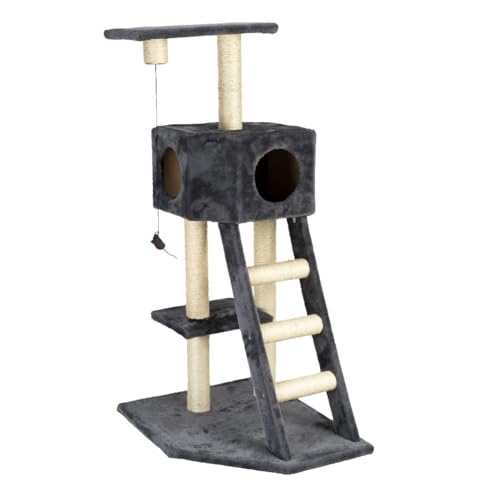
Punishing your cat for scratching after declawing will only increase its stress and make the behavior worse. Instead, redirect the urge to appropriate surfaces. Place scratching posts or pads near the furniture your cat targets. Look for horizontal cardboard pads or vertical sisal posts, since some declawed cats prefer different angles due to paw sensitivity. You can also use double-sided tape or plastic carpet runners (nub side up) on furniture to make it less appealing. Reward your cat with treats or play when it uses the scratching post. Consistency is key, and never force your cat’s paws onto a post, that can create negative associations.
Long-Term Care: Keeping Your Cat Comfortable and Happy
Life after declawing requires a few adjustments. Because your cat can no longer fully retract its claws (the tendons were altered), its paws may be more sensitive to texture. Make sure your cat has soft bedding and easy access to food and water. Using elevated cat bowls can reduce strain on the neck and shoulders, which is especially helpful if your cat has any lingering joint discomfort from the surgery. Also, consider adding a cat probiotic supplement to support overall health and digestion, as stress and medication can upset the gut. Regular gentle paw checks are important, look for swelling, redness, or discharge. If you notice any changes, consult your vet promptly.
Final Thoughts on Scratching After Declawing
Your cat is not trying to upset you. Scratching after declawing is a normal, instinctive behavior that persists because the need to mark territory, stretch, and relieve stress remains. By understanding this and providing appropriate outlets, you can protect your furniture while keeping your cat happy. If you are concerned about pain or behavioral changes, always talk to your veterinarian. With patience and the right tools, you and your cat can live together peacefully, even without claws.