You love your cat, but you do not love the shredded corners of your sofa. That sound of claws digging into fabric is frustrating, but it is also completely natural. Scratching is an instinct your cat cannot and should not be expected to ignore. The good news is you can protect your furniture without punishing your pet. The key is understanding the why behind the behavior and then offering better options that satisfy those deep drives. Let us walk through the reasons and the real solutions that work.
1. It Is a Natural Instinct, Not Revenge
First, get this straight: your cat is not scratching your couch to spite you or because they are mad. Scratching is a hardwired behavior. Cats scratch to remove the dead outer sheath of their claws, keeping them sharp and healthy. It also stretches their entire body, from paw pads to shoulder muscles, in a way that feels good. Finally, scratching leaves both a visual mark and a scent mark from glands in their paws, claiming the area as their safe territory. Your sofa just happens to be the perfect texture and location for all three needs.
2. Texture, Location, and Stability Matter
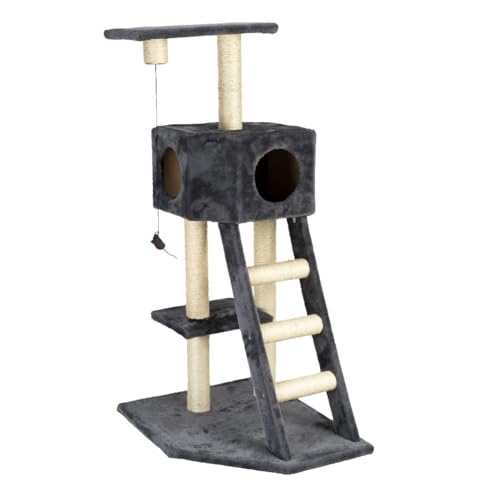
Why the couch and not the cat tree you bought? Cats are picky. They prefer surfaces that allow their claws to sink in and rip, like woven fabrics, sisal rope, or corrugated cardboard. Your sofa likely has a vertical, stable surface in a high-traffic area where your cat feels confident. A flimsy scratching post that wobbles or is tucked in a quiet corner will be ignored. To redirect the behavior, you need to offer something that beats the couch on all three fronts: texture (sisal or cardboard), stability (heavy base or wall-mounted), and placement (right next to the spot they already scratch). Check out our guide to the Top 5 Cat Scratching Posts for models that are built to stay put and appeal to most cats.
3. Stress and Anxiety Can Amplify Scratching
Scratching is also a stress-relief behavior. If you have recently moved, added a new pet, or changed your schedule, your cat may scratch more to self-soothe and re-mark their territory. In these cases, addressing the underlying anxiety is just as important as providing scratching posts. A calming diffuser kit that releases synthetic feline pheromones can create a sense of safety and reduce the urge to scratch excessively. Combine that with plenty of playtime and vertical space like shelves or cat trees, and you will see a calmer, less destructive cat.
A cat’s front claws are retractable, but the outer sheath needs to be shed every few weeks. Scratching is the only way they can do it. If you watch closely, you will often see little claw-shaped husks left behind near their favorite scratching spot.
4. Make Your Furniture Less Appealing
While you add better options, you can also make the couch less attractive. Cover the scratched area with double-sided sticky tape (cats hate the sticky feel on their paws), aluminum foil, or a plastic carpet runner with the nubs facing up. You can also use a fabric spray with a citrus or eucalyptus scent, which most cats dislike. Do not use punishment like yelling or spraying water, it only makes your cat fearful and anxious, which can increase scratching. Instead, make the couch a boring, unpleasant place to scratch while making the new post the most exciting spot in the room.
5. Provide the Right Scratching Surfaces
Not all scratching posts are created equal. Your cat may prefer horizontal scratching (like cardboard flat pads) or vertical scratching (like sisal-wrapped posts). Some cats love a cat scratching barrel that lets them stretch and scratch in a curved motion. Offer at least two different types in the rooms where your cat spends the most time. Place them near the furniture they are targeting. You can even rub a little catnip on the new post to draw them in. When you see them use it, reward them with a treat or gentle praise. Positive reinforcement works far better than punishment.
“Scratching is not a problem to be stopped, it is a need to be met. Give your cat a better place to scratch, and they will take it.”
6. Keep Claws Trimmed and Health in Check
Regular nail trims reduce the damage scratching can do. Short, blunt claws catch less fabric and cause fewer snags. If you are unsure how to trim safely, ask your vet or a groomer to show you. Also, keep an eye on your cat’s overall health. If a cat suddenly starts scratching furniture more than usual, it could be a sign of pain or discomfort, especially in the paws or joints. A sudden change in behavior is always worth a conversation with your veterinarian. In the meantime, offering a consistent routine and plenty of enrichment, like a freeze-dried turkey cat treat as a reward for using their post, can make a big difference.
Remember, your cat is not trying to destroy your home. They are just being a cat. With patience, the right tools, and a little understanding, you can protect your sofa and keep your cat happy.