You know your cat’s rhythms better than anyone. So when Fluffy starts snoozing an extra three hours a day or seems hard to wake, it’s natural to worry. Cats are champion sleepers, averaging 12 to 16 hours a day, but a sudden or dramatic increase in sleep can mean anything from a cozy new routine to an underlying health issue. Let’s walk through the most common reasons your cat might be sleeping more and exactly what to look for.
1. Age and Life Stage: Kittens, Seniors, and the In-Between
Age is the biggest factor in how much your cat sleeps. Kittens are little energy bombs, but they also need up to 20 hours of sleep a day to fuel growth and brain development. Senior cats (over 10 years) naturally slow down and sleep more as their metabolism changes and joints may ache. A healthy adult cat sleeps a lot, but a senior cat sleeping 18 to 20 hours is common. If your older cat is still eating, drinking, and using the litter box normally, extra sleep is usually just part of aging gracefully.
2. Weather, Seasons, and the Cozy Factor
Just like us, cats are sensitive to weather. On a rainy, dark day, your cat will likely curl up for a longer nap. Cold weather also triggers a natural instinct to conserve energy by sleeping more. And if you’ve recently upgraded their sleeping spot, they might just be too comfortable to move! A plush, warm bed in a quiet corner can turn a 12-hour sleeper into a 16-hour one. If you’re looking for ways to keep them active when they wake, a sturdy Top 5 Cat Scratching Posts near their sleeping area can encourage stretching and play right after a nap.
3. Boredom and Lack of Stimulation
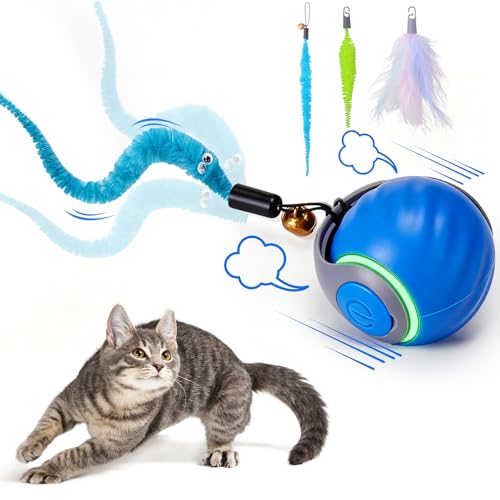
Here’s a surprising one: your cat might be sleeping more because they’re bored. Cats are natural hunters, and without enough mental and physical enrichment, they’ll simply shut down and sleep. This is especially common in indoor-only cats. If your cat’s days consist of eating, sleeping, and staring at a wall, they’re not lazy, they’re understimulated. Try introducing puzzle feeders, window perches, or a new toy rotation. Even a simple cardboard box can spark an hour of play. If your cat is a climber, a Best Cat Scratching Barrels and Posts for Happy Cats can double as a play structure and a nap spot, breaking up the monotony.
Cats are crepuscular, meaning they are most active at dawn and dusk. In the wild, they conserve energy during the day to be ready for hunting at those low-light times. Your house cat still has that ancient wiring, so long daytime sleeps are totally natural.
4. Diet and Digestion: How Food Affects Sleep
What your cat eats directly impacts their energy levels. A diet high in carbohydrates or low in quality protein can lead to energy crashes and more sleeping. Also, if your cat is eating too fast or struggling with hairballs, they might feel sluggish after meals. Switching to a food that supports digestion can make a big difference. For cats prone to hairballs, a specialized diet can reduce that heavy feeling. Check out our guide on Cut Indoor Hairballs: Top Cat Food Reviewed to find options that keep your cat feeling light and active. And don’t forget hydration: a dehydrated cat will be lethargic. An elevated ceramic cat bowl can encourage better drinking habits because it’s easier on the neck and keeps water fresh.
5. Stress and Anxiety: The Hidden Sleep Trigger
Stress doesn’t always look like hiding or hissing. Sometimes, a stressed cat will simply sleep more to escape a tense environment. Common stressors include a new pet, a move, loud construction, or even a change in your work schedule. If your cat is sleeping more and also hiding, overgrooming, or avoiding you, anxiety could be the cause. Creating a calm environment is key. Using a calming diffuser kit can release synthetic pheromones that help your cat feel safe and secure, which might actually reduce their need to ‘escape’ into sleep.
6. When Extra Sleep Signals a Health Problem
This is the part every cat owner worries about. While extra sleep is often normal, it can be a red flag for several health issues. Pain from arthritis, dental disease, or injury can make a cat sleep more to avoid moving. Hyperthyroidism (which usually causes hyperactivity) can paradoxically lead to weakness and increased sleep in some cats. Kidney disease, diabetes, and anemia all cause lethargy. The key difference? Look for other symptoms. Is your cat also drinking more water? Losing weight? Vomiting? Hiding in unusual places? If the increased sleep is accompanied by any of these signs, or if your cat seems hard to wake or wobbly when they stand, it’s time for a vet visit.
“A sleeping cat is a happy cat, but a cat that can’t be woken is a cat that needs a vet.”
7. What to Do: A Simple Checklist for Concerned Owners
If you’re worried about your cat’s sleep, start with this checklist:
- Track the change: How many more hours are they sleeping? Is it gradual or sudden?
- Check the basics: Are they eating, drinking, and using the litter box normally?
- Observe waking behavior: Do they seem alert and happy when awake, or groggy and disoriented?
- Look for pain: Do they flinch when touched, or avoid jumping onto furniture?
- Consider environment: Has anything changed in the home recently?
If you check all these boxes and everything seems normal except the extra sleep, try adding more playtime and enrichment for a week. If the sleep pattern doesn’t improve or you notice any other changes, a quick checkup with your vet will give you peace of mind. Remember, you know your cat best, trust your gut.