You walk into the living room and find a fresh chunk missing from your coffee table leg. Your dog looks up at you with that guilty-but-not-really-sorry face. It is frustrating, but most dogs chew furniture for a handful of very specific reasons. Once you understand the why, you can actually fix it without losing your mind or your security deposit. Let us walk through the real reasons your dog is biting furniture and what you can do about it today.
Teething Pain in Puppies
If your dog is under one year old, there is a good chance they are teething. Puppies lose their baby teeth and grow adult teeth just like human babies do. This process hurts. Their gums feel sore and swollen, and chewing on hard surfaces provides relief. Your wooden table leg is basically a giant teething ring to them. For puppies, especially high-energy breeds like Australian Shepherds, providing appropriate chew items is key. You can also check out best dog food for Australian Shepherd puppies to support healthy growth during this phase. Offer frozen washcloths, rubber chew toys you can freeze, or puppy-safe teething rings. Keep furniture off-limits by blocking access with baby gates or bitter apple spray on the edges. This phase usually passes by the time they are eight to ten months old.
Boredom and Lack of Mental Stimulation
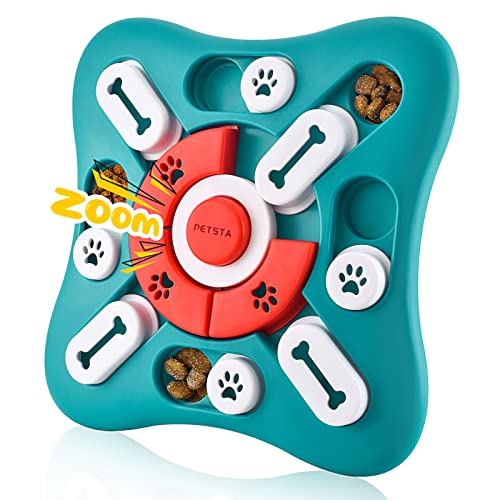
Dogs were not designed to lie around all day. Many breeds, particularly working and herding dogs, need a job. When they are bored, they invent their own entertainment. Chewing furniture is a great way to pass the time and release pent-up energy. If you have a breed like an Australian Shepherd, you already know they are incredibly smart. Without enough mental stimulation, they will find trouble. Consider giving them puzzle toys for Australian Shepherds to keep their brain busy while you are away. A tired dog is a good dog. Aim for at least 30 minutes of structured exercise daily plus 10 to 15 minutes of training or puzzle games. Rotate toys so they stay novel. If your dog is chewing furniture only when you are gone, boredom is almost certainly the culprit.
A dog’s jaw can exert up to 300 pounds of pressure per square inch. That is why a single bite can splinter a wooden chair leg. Giving them something tougher to chew, like a thick rubber toy or a frozen Kong, satisfies that urge safely.
Separation Anxiety
Some dogs do not chew furniture out of mischief but out of panic. Separation anxiety is a genuine distress response. When you leave, your dog becomes so stressed that they cannot control themselves. They might drool, pace, bark, or chew door frames and furniture near the exit. This is different from boredom chewing because it happens immediately after you leave and focuses on exit points or items that smell like you. If you suspect anxiety, do not punish them. Punishment makes anxiety worse. Instead, try gradual desensitization by leaving for very short periods and returning before they get upset. Crate training can also help if the crate is introduced as a safe den, not a prison. For severe cases, talk to your vet about behavior modification or medication options. Breeds like Cane Corsos can be prone to separation anxiety if not properly socialized. Learn more about their temperament in Are Cane Corsos Good Family Dogs.
Instinctual Needs and Breed Traits
Some dogs chew because it is literally in their DNA. Herding breeds like Australian Shepherds were bred to use their mouths to move livestock. Retrievers were bred to carry things. Terriers were bred to dig and gnaw. If your dog is biting furniture, they might be acting on an instinct that has no other outlet. For example, an Australian Shepherd that does not have a job may redirect herding instincts onto your sofa. Providing structured activities like fetch, tug-of-war, or even a flirt pole can satisfy that drive. You might also consider Are Australian Shepherds Good Family Dogs to better understand their energy needs. For large breeds like Cane Corsos, their instinct to chew is tied to their history as guard dogs. They need strong, durable chew items. If they do not get them, your furniture becomes the target. Always match the chew toy to your dog’s size and jaw strength.
“Chewing is a dog’s way of exploring the world. Your job is to make sure they explore the right things.”
Hunger or Dietary Imbalance
Sometimes a dog chews furniture because they are hungry or lacking certain nutrients. Puppies and active dogs burn a lot of calories. If their diet is not meeting their needs, they may seek out alternative sources. Wood contains some fiber and minerals, which is why some dogs gnaw on it. If your dog is consistently chewing on wood furniture, take a look at their food. Are they getting enough protein and fat? A high-quality diet can reduce this urge. For large breeds, check out 5 Best Dog Foods for Cane Corsos: High-Protein Picks to ensure they are getting proper nutrition. For Australian Shepherds, a balanced diet is equally important. You can see 5 Best Dog Foods for Australian Shepherds: Shortlist for options. If you suspect a nutritional deficiency, talk to your vet. They can run a simple blood test to check for imbalances.
If your dog is swallowing large pieces of furniture, splinters, or paint, it can cause intestinal blockages or poisoning. If you see vomiting, lethargy, or loss of appetite after chewing, call your vet immediately.
How to Redirect the Behavior
Now that you know the reasons, here is a practical plan to stop furniture biting. First, manage the environment. Use baby gates to block off rooms with expensive furniture. Cover corners with bitter apple spray or double-sided tape. Second, provide appropriate outlets. Give your dog a variety of chew toys with different textures: hard rubber, nylon, rope, and soft plush. Rotate them to keep interest. Third, increase exercise and mental stimulation. A 20-minute walk plus a 10-minute training session can do wonders. Fourth, teach a strong “leave it” command. Practice with low-value items first, then work up to furniture. Fifth, be consistent. Do not let them chew an old chair and expect them to understand the new couch is off-limits. If you catch them in the act, redirect immediately to an acceptable toy and praise them when they take it. Never yell or hit. That teaches fear, not understanding.