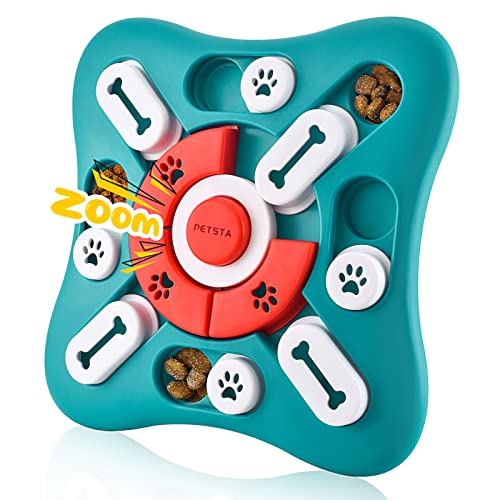
You set down your dog’s bowl, and they just sniff and walk away. It is a moment that can make any owner’s heart sink. Whether your dog is a picky eater or has suddenly lost interest in their favorite kibble, the question “why is my dog not eating” is one of the most common worries we hear at ProPawPicks. The good news is that most cases are temporary and have a simple fix. Let us walk through the real reasons this happens and what you can try right now.
1. Stress or Changes in Routine
Dogs are creatures of habit. A new baby, a move to a new home, a change in your work schedule, or even a new piece of furniture can throw them off. Stress is one of the top reasons a healthy dog skips meals. If your dog seems otherwise fine but is not eating, think about what has changed in the last few days. Even small disruptions, like a loud construction project nearby, can affect their appetite. Give them extra quiet time, stick to their usual walk schedule, and offer food in a calm, familiar spot. For some breeds, like the sensitive Australian Shepherd, a change in environment can be especially unsettling. If you have an Aussie, you might find our guide on Are Australian Shepherds Good Family Dogs helpful for understanding their emotional needs.
2. Dental Pain or Mouth Discomfort
Sometimes the problem is not the food, it is the act of eating. A dog with a sore tooth, gum infection, or even a small cut on their tongue may approach the bowl but then back away. Watch for signs like drooling more than usual, pawing at the mouth, chewing on one side, or dropping food while eating. If you suspect dental issues, switch to soft food or soak their kibble in warm water to make it easier to eat. A trip to the vet is a good idea if the problem lasts more than a day or two. For large breeds like the Cane Corso, neck strain from a low bowl can also make eating uncomfortable. Using an elevated bowl can help, and you can see our recommendations in Reduce Neck Strain: Best Dog Bowls for Cane Corsos.
3. Picky Eating or Boredom With Food
Some dogs are simply picky. They might eat a new food with enthusiasm for a week and then turn up their nose. This is especially common in highly intelligent breeds like Australian Shepherds, who can get bored with the same meal every day. If your dog is otherwise healthy and active, they may just be holding out for something better. Do not give in by offering endless treats or human food, that can make the problem worse. Instead, try adding a spoonful of plain canned pumpkin (not pie filling), a splash of low-sodium chicken broth, or a topper designed for dogs. You can also try a different protein source. For Australian Shepherd owners, our guide on 5 Best Dog Foods for Australian Shepherds: Shortlist offers great options that are both nutritious and flavorful.
4. An Upset Stomach or Digestive Issue
Just like people, dogs can have an off day. If your dog has eaten something they should not have, like grass, a sock, or spoiled food from the trash, their stomach may be upset. They might also have mild nausea from a change in diet or eating too fast. If your dog is not eating but is drinking water and does not seem lethargic, you can try a bland diet for 24 hours: boiled white rice and plain boiled chicken (no skin, no bones, no seasoning). Feed small amounts every few hours. If they still refuse food after that, or if they start vomiting or have diarrhea, call your vet. For dogs that tend to gulp their food and then feel sick, a slow feeder bowl can make a big difference. Check out our picks for Slow Feed Dog Bowls for Australian Shepherds if your dog is a fast eater.
If your dog skips one meal but is acting normal, do not panic. Many adult dogs are fine eating once a day. The real warning signs are when they refuse food for more than 24 hours, stop drinking water, or show signs of pain or lethargy. In those cases, a vet visit is the safest move.
5. Changes in Food or Feeding Schedule
Dogs notice when you switch their food abruptly. A sudden change in brand, flavor, or even the shape of the kibble can make them suspicious. Always transition to a new food over 7 to 10 days by mixing small amounts of the new food with the old. Also, if you recently changed the time you feed them, or if you free-feed and now offer meals at set times, that can confuse them. Consistency is key. Stick to a schedule and give them 15 to 20 minutes to eat, then pick up the bowl. This teaches them that mealtime is not an all-day buffet. For puppies, especially Australian Shepherd puppies, a consistent feeding routine is crucial for growth. Our guide on Best Dog Food for Australian Shepherd Puppies can help you choose a food that supports their development.
6. Medical Issues That Affect Appetite
While most appetite loss is minor, sometimes it signals a deeper health issue. Kidney disease, liver problems, pancreatitis, infections, or even early signs of cancer can cause a dog to stop eating. Other symptoms to watch for include vomiting, diarrhea, weight loss, increased thirst, lethargy, or changes in urination. If your dog has not eaten for 24 hours and shows any of these signs, or if they are a puppy or a senior dog, do not wait, see your vet. They can run simple tests to rule out serious problems. Remember, you know your dog best. If something feels off, trust your gut.
“A dog that refuses food is trying to tell you something. The trick is to listen with your eyes and your heart, not just your ears.”
7. When to Worry and When to Wait
Here is a simple rule: if your dog is still drinking water, wagging their tail, and acting interested in walks or play, you can usually wait 12 to 24 hours before calling the vet. Offer their regular food at the next meal. If they still refuse, try the bland diet. However, if your dog is a puppy (under six months), a senior, or has a known medical condition, do not wait that long. Puppies can become dehydrated very quickly. Also, if your dog stops drinking water entirely, that is an emergency. For large breeds like the Cane Corso, appetite loss combined with a swollen or painful belly could be a sign of bloat, which requires immediate veterinary care. You can learn more about their general temperament in our article Are Cane Corsos Good Family Dogs, but always prioritize health over behavior when symptoms appear.