You settle onto the couch, and your dog starts spinning like a furry tornado. Maybe it’s a few quick turns before flopping down, or maybe it’s a repetitive loop that has you wondering, “Why is my dog spinning in circles?” You’re not alone, and the answer isn’t always simple. It could be a happy ritual, a leftover instinct from their wild ancestors, or a sign that something needs a closer look. Let’s walk through the most common reasons so you can tell the difference between a happy dance and a health concern.
1. The Pre-Nap Nesting Spin
One of the most common and harmless reasons dogs spin is to get comfortable before lying down. This is a deeply ingrained instinct from their wild ancestors who would trample down grass, leaves, or snow to create a safe, soft bed. By walking in circles, they were checking for hidden threats like snakes or sharp rocks and flattening their sleeping spot. Even today, your pampered pup might circle their dog bed three or four times before settling in. If the spinning stops once they lie down and they seem relaxed, it’s just their natural nesting behavior.
2. Excitement and Anticipation
Does your dog spin when you grab the leash, open a treat bag, or when a favorite person walks through the door? This is often pure joy and anticipation. The spinning is a way to release pent-up energy and excitement. It’s especially common in high-energy, intelligent breeds. For example, Australian Shepherds, known for being excellent family dogs, often spin or “whirl” when they’re excited because they are naturally wired to herd and move in circles. If the spinning is brief and paired with a wagging tail and happy barks, it’s likely just your dog’s way of saying, “I’m so excited!”
3. Seeking Attention or Asking for Something
Dogs are brilliant at learning what gets a reaction. If you’ve ever laughed, given a treat, or even made eye contact when your dog started spinning, you may have accidentally reinforced the behavior. Now, they spin to get your attention, ask for a walk, or signal it’s dinner time. This is especially common in dogs that are very bonded to their owners. If the spinning stops as soon as you acknowledge them or give them what they want, you’ve likely discovered the motivation. Just be careful not to reward the spinning every time, or it can become a compulsive habit.
Many herding breeds, like Australian Shepherds and Corgis, naturally circle as part of their herding instinct. They were bred to move livestock by running around them in wide arcs. So when your Aussie spins before a walk, they might be tapping into that ancient job description.
4. Ear Infections or Balance Issues
If the spinning seems disoriented, unsteady, or happens frequently without an obvious trigger, it could be a medical issue. Ear infections, especially in floppy-eared dogs, can cause a feeling of dizziness or vertigo, leading to circling. Other signs to watch for include head tilting, scratching at the ears, a bad smell from the ear, or redness. Inner ear infections can affect your dog’s balance, making them circle in one direction. If you notice any of these signs, especially if your dog seems wobbly or nauseous, it’s time to call your veterinarian. Also, consider using elevated dog bowls designed to reduce neck strain, as they can help prevent debris from getting into your dog’s ears while eating, though they are not a cure for an existing infection.
5. Canine Cognitive Dysfunction (Doggy Dementia)
In older dogs, spinning in circles can be a sign of Canine Cognitive Dysfunction (CCD), similar to Alzheimer’s in humans. This is more than just getting older, it’s a real brain condition. Dogs with CCD may pace, spin, get stuck in corners, or forget familiar routines. The spinning can be repetitive and aimless, often happening at night. They might also stare at walls or seem confused in familiar places. If your senior dog has started circling, especially if they seem lost or anxious, mention it to your vet. There are medications, supplements, and lifestyle changes that can help manage the symptoms and improve their quality of life.
6. Compulsive Behavior or Anxiety
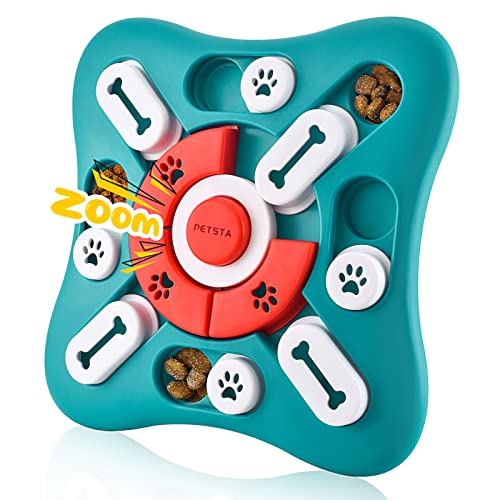
Sometimes, spinning becomes a compulsive disorder, meaning the dog does it over and over without any clear reason or reward. This is often linked to stress, anxiety, or boredom. Dogs in small spaces, or those not getting enough mental and physical stimulation, might develop repetitive behaviors like spinning, tail chasing, or excessive licking. This is where enrichment becomes crucial. Providing puzzle toys designed for smart dogs can help redirect that energy into a healthy, problem-solving activity. If the spinning is intense, hard to interrupt, or seems to be getting worse, a consultation with a veterinary behaviorist can be very helpful.
7. Anal Gland Issues or Itchiness
A less common but possible reason is discomfort in the rear end. If your dog’s anal glands are full or impacted, they might scoot, lick the area, or spin in circles trying to reach or relieve the pressure. Similarly, allergies or skin irritations around the tail or back can cause a dog to spin as they try to bite or scratch the spot. If you notice scooting, excessive licking, or a fishy smell, it’s worth a trip to the vet to have the anal glands checked.
“A few happy spins before dinner are a celebration. But spinning that looks confused, unbalanced, or endless is a signal to pause and pay closer attention.”
Most of the time, spinning in circles is perfectly normal dog behavior. It’s part of how they communicate, nest, and express joy. But because it can also point to health issues, it’s important to be a good observer. Note when it happens, how long it lasts, and if your dog seems happy or distressed. If you’re ever unsure, a quick call to your vet can bring peace of mind. And if you’re looking for ways to keep your dog’s mind and body busy, check out our guides on proper nutrition and enrichment, like the best food options for high-energy breeds to support their overall health.