Seeing your dog throw up is one of those heart-dropping moments every owner knows. You rush over, clean up the mess, and immediately start wondering: Did they eat something bad? Is it serious? Should I call the vet right now? Take a breath. Vomiting in dogs is very common, and while it can be a sign of something serious, most cases resolve on their own or with simple care. This guide walks you through the real reasons dogs vomit, what the different colors and textures mean, and exactly what steps to take next. Always remember: if you are worried, call your vet. You know your dog best.
1. Dietary Indiscretion: The Number One Cause
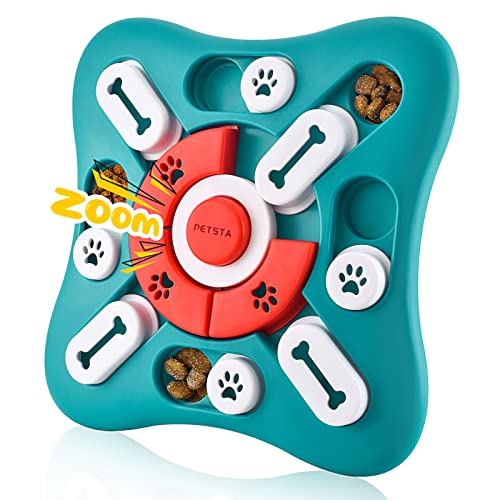
The most common reason dogs throw up is something vets call “dietary indiscretion.” That is a fancy way of saying your dog ate something they should not have. Dogs explore the world with their mouths, and that means they will eat garbage, dead animals, socks, grass, or a whole bag of treats left on the counter. Even a sudden switch to a new food can upset their stomach. If your dog is otherwise acting normal, playful, and hydrated, a single episode of vomiting from eating something weird is usually nothing to panic about. However, if you have a breed prone to gulping food, like a Cane Corso, using elevated dog bowls to reduce neck strain can also help slow down their eating and reduce the risk of vomiting from eating too fast. For dogs that inhale their meals, consider slow feed dog bowls for Australian Shepherds or similar designs to encourage slower, healthier eating.
2. Bilious Vomiting Syndrome: The Morning Mess
Does your dog throw up yellow foam or bile, usually first thing in the morning or late at night? That is likely bilious vomiting syndrome. It happens when a dog’s stomach is empty for too long. The bile builds up and irritates the stomach lining, triggering the vomit reflex. This is common in dogs fed once a day. The fix is often simple: feed a small meal right before bed or give a late-night snack. If the pattern continues, your vet can recommend an antacid or a diet change. A high-quality, easily digestible food can make a big difference here, especially for breeds with sensitive stomachs. Check out the best dog foods for Australian Shepherds for protein-rich options that are gentle on the gut, or look for limited-ingredient diets for any breed.
Yellow vomit is just bile from the small intestine. It is not blood or poison. It simply means your dog’s stomach was empty. A small bedtime snack often solves this entirely.
3. What the Color and Texture of Vomit Tells You
Pay attention to what comes up. It gives you real clues. Clear liquid or white foam often means an empty stomach or a little acid reflux. Yellow or green foam is bile, usually from an empty stomach (see above). Brown, coffee-ground-like vomit can indicate digested blood and needs an immediate vet visit. Red or bright pink means fresh blood, which is also an emergency. Undigested food that comes up right after eating often means they ate too fast, exercised too soon after a meal, or have a food sensitivity. Grass is common and usually not dangerous, though some dogs eat grass to settle their stomach or because they like the texture. If the vomit contains worms or looks like spaghetti, that means a heavy parasite load and you need a dewormer from your vet.
4. When It Is a Medical Emergency
Not all vomiting is benign. You should call your vet immediately if your dog is very young, very old, or has a pre-existing condition like kidney disease or diabetes. Other red flags: vomiting multiple times in a few hours, vomiting with diarrhea, blood in the vomit, a bloated or hard belly, retching without producing anything (can be bloat, a life-threatening emergency in deep-chested breeds like Cane Corsos), lethargy, or signs of pain like shaking or whining. If your dog ate something toxic like chocolate, grapes, xylitol, or a medication, go to an emergency vet right now.
“When in doubt, a phone call to your vet is never a waste of time. They would rather you call than wait.”
5. Home Care for a Mild Episode
If your dog throws up once, is acting normal, and has no other symptoms, you can try a simple home protocol. Withhold food for 12 to 24 hours to give the stomach a rest, but always provide fresh water. Ice cubes are a good way to offer small amounts of water without overwhelming the stomach. After the fast, offer a bland diet: boiled white rice mixed with boiled boneless, skinless chicken breast or plain pumpkin puree (not pie filling). Feed small, frequent meals for a couple of days. If the vomiting stops, slowly transition back to their regular food over 3 to 5 days. If it returns, call your vet. For active, intelligent breeds like Australian Shepherds, stress can also trigger vomiting, so a calm environment and some puzzle toys for Australian Shepherds can help reduce anxiety and keep their mind occupied while they recover.
Never give your dog human anti-nausea or anti-diarrhea medications unless your vet specifically tells you to. Many human drugs are toxic to dogs. Always ask your vet first.
6. Long-Term Prevention: Diet and Routine
Preventing future vomiting starts with a solid routine. Feed your dog on a consistent schedule, avoid table scraps, and keep trash cans secured. If your dog tends to eat too fast, use a slow feeder bowl or scatter their kibble on a flat tray. For dogs with known food allergies or sensitivities, a high-quality, single-protein diet can make a world of difference. Puppies, especially large breeds like Cane Corsos, need a carefully balanced diet to avoid growth issues and stomach upset. You can find tailored recommendations in our guide on best dog foods for Cane Corsos for high-protein picks that support healthy digestion. And remember, some dogs just have sensitive stomachs, and that is okay. Work with your vet to find a food and feeding routine that keeps your dog happy and keeps the vomit off your rug.