Watching your fish hover near the top, mouth opening and closing rapidly, can be alarming. It’s a clear sign something is off in their underwater world. While it might look like they’re just begging for food, that gasping motion is usually a cry for help. The good news? Most causes are fixable once you know what to look for. Let’s dive into the most common reasons your fish is gasping at the surface and how you can help them feel better fast.
Low Dissolved Oxygen: The Most Common Culprit
The number one reason fish gasp at the surface is a lack of oxygen in the water. Fish extract oxygen through their gills, and when dissolved oxygen levels drop, they instinctively go to the surface where oxygen exchange from the air is highest. This often happens when your tank is overcrowded, the water temperature is too warm (warm water holds less oxygen), or your filter isn’t creating enough surface agitation. A simple fix is to add an air stone or adjust your filter outflow to ripple the surface. If you’re away often, consider using an automatic fish feeder to keep feeding consistent, but remember that overfeeding can also lead to oxygen depletion as leftover food decomposes.
Poor Water Quality: Ammonia and Nitrite Poisoning
Even if oxygen levels seem fine, toxic compounds like ammonia and nitrite can damage your fish’s gills, making it physically harder for them to breathe. This is especially common in new tanks that haven’t fully cycled, or after a large water change that disturbed the beneficial bacteria. You might also notice your fish looking red or inflamed around the gills. Test your water immediately with a liquid test kit. If ammonia or nitrite is above zero, perform a partial water change (about 25-30%) and add a water conditioner that detoxifies ammonia. Keeping your tank clean and avoiding overstocking is key to preventing this.
If you suspect ammonia poisoning, do not add any medications without first testing your water. Many treatments can actually make things worse. A water change is almost always the safest first step.
Temperature Shock or Overheating
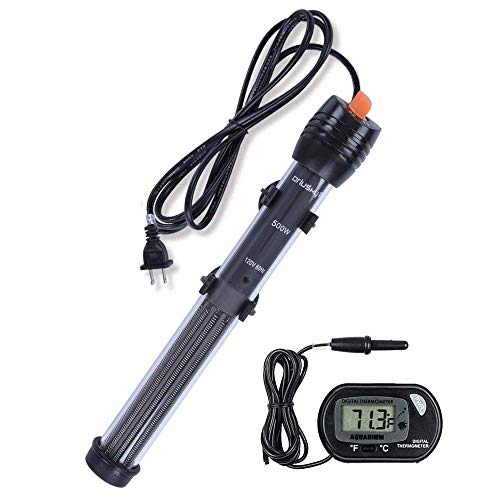
Fish are cold-blooded, so sudden temperature swings or consistently high temperatures can stress them out and reduce oxygen availability. If your tank heater is malfunctioning or the room got too hot, your fish might gasp. A thermometer is a must-have. Ideally, tropical fish should be between 74-80°F (23-27°C), and goldfish prefer cooler water around 68-74°F (20-23°C). If the water is too warm, turn off the heater, float a bag of ice in the tank (sealed), or do a small, gradual water change with slightly cooler water. Never change more than 10% of the water at once to avoid shocking them further.
Gill Disease or Parasites
Sometimes the problem isn’t the water, it’s the fish’s gills themselves. Parasites like gill flukes or bacterial infections can cause inflammation, excess mucus, and physical damage to the gill tissue. Your fish may gasp even if water parameters are perfect. Look for other signs like clamped fins, flashing (rubbing against objects), or rapid breathing. Treatment usually involves a specific medication for the parasite or bacteria, but you must identify the cause first. A quarantine tank is helpful here. And while we’re on the topic of fish health, if you also have a dog at home, you might be interested in how fish-based diets can help them too, like white fish dog food for Pomeranians which supports skin and coat health.
“A fish gasping at the surface is like a canary in a coal mine, it’s telling you the environment needs immediate attention.”
Overcrowding and Overfeeding
Too many fish in one tank means more waste and less oxygen per fish. A good rule of thumb is one inch of fish per gallon of water, but that’s a starting point, not a guarantee. Overfeeding adds to the problem because uneaten food rots, producing ammonia and consuming oxygen. Feed only what your fish can eat in about two minutes, once or twice a day. If you’re unsure about portions, an automatic feeder can help you control the amount. Also consider that some fish, like bettas and gouramis, have a labyrinth organ and naturally gulp air from the surface, but they shouldn’t be doing it constantly. Occasional gulps are normal; constant gasping is not.
How to Fix It Fast: A Step-by-Step Checklist
If you see your fish gasping, here’s what to do right now:
- Test the water: Check ammonia, nitrite, nitrate, and pH. Any level above zero for ammonia or nitrite is an emergency.
- Increase oxygen: Add an air stone, lower the water level slightly to increase splash from the filter, or point the filter outlet upward.
- Check temperature: Make sure the heater is set correctly and the water isn’t too warm.
- Do a water change: Replace 20-30% of the water with dechlorinated water at the same temperature.
- Reduce feeding: Skip a meal or two until the fish look better. They can go days without food safely.
If you have a long-haired dog at home, you might also appreciate how fish oil benefits their coat, check out our guide on best fish oil for shiny fur for tips. And for beagle owners, there’s a specific white fish dog food for beagles that can help with weight management.
Remember, if your fish doesn’t improve within 24 hours or if you see other symptoms like white spots or red streaks, it’s time to consult a veterinarian who specializes in fish. They can help diagnose gill diseases or other internal issues that home remedies can’t fix.