It can be worrying when you walk up to your aquarium and your fish is tucked behind the filter, barely moving. You might wonder if something is wrong, or if your fish just likes that spot. The truth is, fish hide behind filters for a few specific reasons, and most of them are easy to address once you know what to look for. In this guide, we will walk through the most common causes, from water quality to tank dynamics, and give you practical steps to help your fish feel secure enough to come out and explore.
Stress Is the Number One Reason Fish Hide
Fish are naturally prey animals, and when they feel threatened or uncomfortable, their instinct is to find a safe spot. The filter area often provides a narrow, shaded space that feels like a cave. If your fish is spending most of its time there, stress is likely the culprit. Stress can come from sudden changes in water temperature, pH swings, or even loud noises and bright lights. Take a moment to check if anything has changed recently, like a new decoration, a water change, or a new fish in the tank. Even small changes can make a fish feel uneasy.
Another common stressor is overcrowding. If your tank has too many fish, the filter zone might be the only quiet corner. Make sure your tank size matches the number and size of your fish. A good rule of thumb is one inch of fish per gallon, but that varies by species. If you are unsure, a quick search on your specific fish breed will help.
Try dimming the aquarium light for a day or two. Many fish feel exposed under bright light, and a calmer environment can encourage them to venture out.
Water Quality Issues Make Fish Seek Shelter
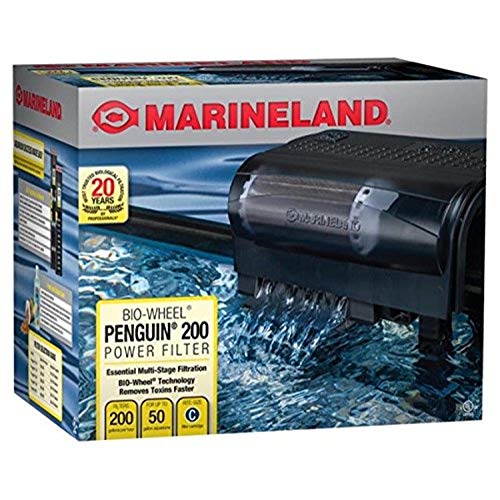
Poor water quality is a silent stressor. High ammonia, nitrite, or nitrate levels can make fish feel sick and lethargic, and they often retreat to a quiet spot. If your fish is hiding, test your water immediately. You can use a liquid test kit or test strips. Ideal levels are: ammonia 0 ppm, nitrite 0 ppm, and nitrate below 20 ppm. If any of these are off, perform a partial water change, about 25 percent, and check your filter media. A dirty or clogged filter can reduce water flow and oxygen, making the area behind it seem more appealing as a low-flow refuge.
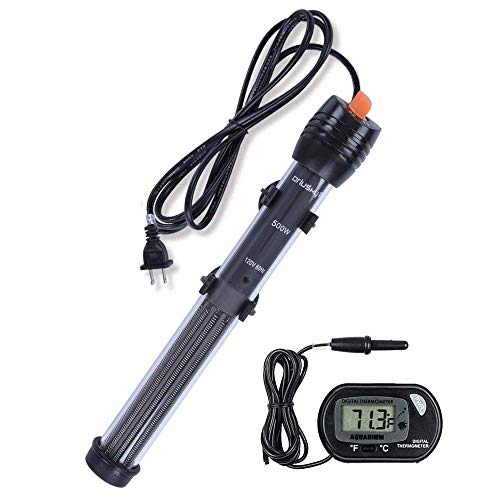
Also, check the water temperature. Most tropical fish prefer 76 to 80 degrees Fahrenheit. If the heater is malfunctioning or the water is too cold, fish slow down and hide. Use a reliable thermometer and adjust the heater gradually, no more than 2 degrees per hour.
Bullying or Tank Mate Aggression
If you have more than one fish, hiding behind the filter could be a sign of bullying. Some fish are territorial, especially during feeding or breeding. Watch your fish for a few minutes, especially during feeding time. If one fish chases another or guards a specific area, that is a clear sign of aggression. The hiding fish is trying to escape. You can rearrange the tank decorations to break up territories, or add more plants and caves to create hiding spots. If the aggression continues, you may need to separate the bully or rehome it.
Also, consider the species. Some fish are naturally shy, like certain tetras or corydoras, and they prefer to stay near cover. If your fish is a shy species, hiding is normal behavior. But if it is a usually active fish like a danio or a platy, hiding is a red flag.
Lack of Hiding Spots in the Tank
Ironically, if your tank is too open, your fish might choose the filter because it is the only place that feels safe. Fish need places to retreat to, even if they are not stressed. Add live or silk plants, driftwood, rocks, or ceramic caves to create a more natural environment. The goal is to have multiple hiding spots spread across the tank, so your fish does not have to rely on the filter. You can also use floating plants to provide shade and cover from above.
If you have a community tank, aim for at least one hiding spot per fish. This reduces competition and gives every fish a sense of security. A simple clay pot on its side works wonders, and it is cheap.
Feeding Time and Competition
Sometimes fish hide behind the filter because they are waiting for food, especially if they are being outcompeted at feeding time. If you have fast, aggressive eaters, your shy fish might not get enough to eat and then retreat to the filter to avoid the chaos. Watch during feeding. Does your hiding fish come out when food is added, or does it stay hidden? If it stays hidden, it might be too scared to compete. You can try feeding in different areas of the tank, or use a feeding ring to keep food in one spot. For more consistent feeding, consider an automatic feeder that dispenses small amounts at set times, which can reduce competition and stress. You can check out a WiFi fish feeder comparison to find one that fits your schedule and tank size.
Also, make sure you are feeding the right amount. Overfeeding can lead to poor water quality, which as we mentioned, causes hiding. Feed only what your fish can consume in 2 minutes, once or twice a day.
Illness or Injury
If you have checked water quality, tank mates, and hiding spots, and your fish still hides, it might be sick or injured. Look for physical signs like clamped fins, white spots, frayed fins, or a swollen belly. A sick fish will often isolate itself to conserve energy. If you notice any symptoms, quarantine the fish in a separate tank if possible, and observe it. Do not medicate without knowing the exact illness, as that can do more harm. A gentle salt bath (using aquarium salt, not table salt) can help with some issues, but always ask your vet for guidance if you are unsure. If the fish is eating and swimming normally when it does come out, it might just be a shy personality, but if it stops eating or shows signs of distress, consult a vet who specializes in fish.
“A hiding fish is a message, not a mystery. Listen to your tank.”
How to Encourage Your Fish to Come Out
Once you have addressed the potential causes, you can take proactive steps to make your fish feel more comfortable. First, maintain a consistent routine. Fish thrive on predictability, so feed them at the same times each day, and keep the tank lights on a timer. Second, add more plants and decorations to create a natural layout. Third, spend time near the tank. Fish can get used to your presence, and over time, they will learn that you are not a threat. You can also try target feeding, where you drop a small amount of food near the filter, so your fish associates that area with positive experiences, then gradually move the food to the open areas.
If you have a particularly shy fish, consider adding a companion of the same species, as some fish feel safer in groups. But research first, because some fish are solitary. Also, make sure your filter is not too strong. A high flow rate can push fish around, making them seek shelter behind the filter. You can baffle the output with a sponge or adjust the flow if your filter allows it.
Finally, be patient. It can take days or even weeks for a fish to adjust to a new tank or a change in the environment. As long as your fish is eating and swimming normally when it does come out, give it time. If you are going on vacation, a reliable automatic fish feeder can keep feeding consistent, which reduces stress while you are away.
Remember, every fish has its own personality. Some are naturally more reclusive than others. But if the hiding is new or accompanied by other signs, it is worth investigating. Your attention to detail is what makes you a great fish owner.