It can be worrying to look at your aquarium and see your goldfish hovering near the gravel, barely moving, while the other fish swim around. You might wonder if it is sleeping, sick, or just being lazy. Goldfish are naturally active swimmers, so spending all day at the bottom is usually a red flag. Let us walk through the most likely reasons and what you can do to help your fish feel better.
Check Your Water Quality First
Poor water conditions are the number one reason goldfish become lethargic and stay at the bottom. High levels of ammonia, nitrite, or nitrate can stress your fish and make them feel unwell. Test your water with a liquid test kit, not strips, as they are more accurate. Ideal parameters for goldfish are: ammonia and nitrite at 0 ppm, nitrate below 20 ppm, and a pH between 7.0 and 8.4. If any levels are off, do a 25 to 50 percent water change immediately and add a quality water conditioner. If you travel or have a busy schedule, an automatic feeder can help keep feeding consistent, but check out our WiFi Fish Feeder Comparison: Top App-Controlled Models to ensure you are not overfeeding, which can dirty the water.
Temperature Shock or Incorrect Water Temperature
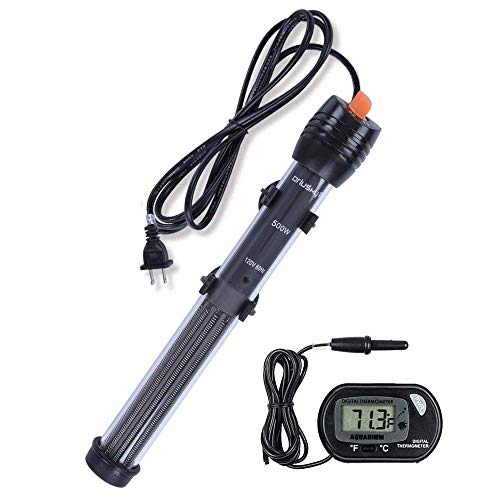
Goldfish are coldwater fish, but they still need a stable temperature. Sudden changes, like a cold draft from a window or a heater malfunction, can cause shock and make them sink to the bottom. Fancy goldfish prefer water between 68 and 74 degrees Fahrenheit, while common goldfish can handle slightly cooler temps. Use a reliable thermometer and avoid placing the tank near vents or direct sunlight. If your goldfish is at the bottom after a water change, the new water might have been too cold or too warm. Always match the temperature within a degree or two.
Swim Bladder Issues and Constipation
Swim bladder disorder is a common problem that affects a goldfish’s buoyancy. When the swim bladder is not working properly, the fish may struggle to swim upright and end up resting on the bottom. This can be caused by overeating, eating too fast, or eating low-quality food that expands in the stomach. Try fasting your goldfish for 24 to 48 hours, then feed a small piece of a deshelled pea. If the problem persists, review your feeding routine. An Which Automatic Fish Feeder Is Best? 5 Top Picks for 2026 guide can help you portion meals correctly to prevent overfeeding and reduce the risk of constipation.
Illness and Parasites
If water quality and temperature are fine, your goldfish might be fighting an illness. Common infections like ich (white spots), fin rot, or parasites can cause lethargy. Look for other symptoms: clamped fins, redness, spots, or heavy breathing. Quarantine the fish in a separate tank if possible, and treat with a broad-spectrum remedy from your pet store. Always follow the instructions carefully. If you are unsure, take a photo and ask a knowledgeable fish keeper or your local aquarium shop. Remember, we are not vets, so for serious symptoms, consult a fish veterinarian.
Goldfish do not have eyelids, so they cannot close their eyes to sleep. When they rest, they often hover near the bottom or hide behind plants. But resting for a few minutes is normal; all day is not.
Stress from Tank Mates or Environment
Goldfish are peaceful but can become stressed by aggressive tank mates, like cichlids or larger fish. Even other goldfish can bully a weaker one if the tank is too small. A single goldfish needs at least 20 gallons, and each additional fish needs 10 more gallons. Also, make sure there are plenty of hiding spots like caves, plants, or decorations. If your goldfish has no place to retreat, it may stay on the bottom to avoid conflict. Observe the tank for chasing or nipping behavior.
Natural Aging or Resting Behavior
Sometimes, an older goldfish simply slows down. They may spend more time resting on the bottom as they age, similar to an older dog taking more naps. If your fish is eating, breathing normally, and has no other symptoms, it might just be getting older. However, sudden changes in behavior are always worth investigating. Keep an eye on it for a few days and note any other changes.
“A goldfish at the bottom is not being dramatic, it is telling you something is wrong. Listen to your water and your fish.”
If you have tried everything and your goldfish still stays at the bottom, do a series of small water changes over a few days and reduce feeding. Sometimes, the simplest fix is patience and clean water. And if you have other pets at home, like a Pomeranian, you might find our guide on Nourish Your Pomeranian with White Fish: 5 Best Dog Foods for 2026 useful for keeping your dog healthy while you focus on your fish.