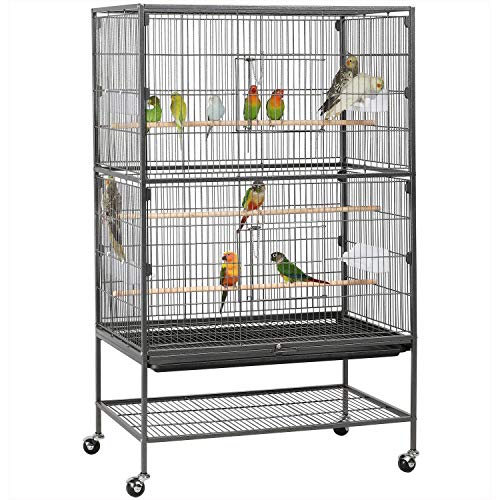
You look over at your parakeet and notice they’ve been sitting puffed up like a little cotton ball for hours. It’s natural to worry. Parakeets fluff their feathers for many reasons, from simple comfort to a sign that something is wrong. Understanding the difference can help you decide if you need to adjust their cage setup or call the vet. Let’s walk through the most common reasons your bird might be fluffed up all day and what you can do about it.
1. They Might Be Sleeping or Resting
Parakeets often fluff up when they are relaxed or dozing. If your bird is fluffed up but has bright eyes, is standing on one leg, and is perched quietly, they might just be taking a nap. Birds sleep in short bursts throughout the day, especially in a quiet room. If they are also tucking their head under a wing, that’s a strong sign of rest. However, if they stay fluffed up and seem drowsy even when you approach the cage, it could be something more. Make sure their best parakeet cages are placed in a calm area away from loud noises and direct drafts, which can disrupt their sleep and cause them to stay fluffed from stress.
2. Your Parakeet Is Cold
Fluffing traps warm air against the body, so a cold bird will puff up to stay warm. Parakeets are comfortable in temperatures between 65 and 80 degrees Fahrenheit. If your home is drafty or the room drops below 60 degrees, your bird may stay fluffed all day. Check if they are also shivering or holding their wings slightly away from their body. You can warm them by moving the cage to a warmer spot, away from windows and air vents. Adding a cozy hide or a soft fleece tent inside a best parakeet cage for 2 birds can help them retain heat, especially if they have a buddy to snuggle with.
If your parakeet is fluffed up and you suspect cold, try placing a warm (not hot) water bottle wrapped in a towel near the cage for a short time. Never put it inside the cage where they could chew it. Watch for improvement within 30 minutes.
3. They Could Be Stressed or Scared
Stress can cause a parakeet to stay fluffed up as a way to make themselves look bigger or to conserve energy when they feel threatened. Common stressors include a new pet in the house, loud construction, a change in routine, or even a new cage location. If your bird is also pacing, biting the bars, or avoiding food, stress might be the cause. Give them a few days of quiet, cover part of the cage for security, and make sure they have plenty of enrichment. Offering a new parakeet treats your bird will love can also help build positive associations and reduce anxiety.
4. It Might Be a Sign of Illness
This is the most important reason to pay attention. If your parakeet is fluffed up all day and also showing other symptoms, it could be sick. Birds hide illness well, so fluffing is often one of the first visible signs. Look for these red flags: tail bobbing, closed or runny eyes, sneezing, discharge from the nostrils, sitting at the bottom of the cage, decreased appetite, or changes in droppings. If you see any of these, do not wait. A sick bird can decline quickly. Move them to a quiet, warm area and consult an avian veterinarian as soon as possible. While you wait, ensure their cage is clean and well-ventilated, and consider upgrading to a parakeet cage with stand shortlist that is easier to clean and monitor.
“A fluffed bird that is also quiet, sleepy, and not eating is a bird that needs a vet visit today, not tomorrow.”
5. They Are Molting or Preening
Molting is a natural process where old feathers fall out and new ones grow in. During this time, parakeets often fluff up more than usual because new feather growth (pin feathers) can be itchy and sensitive. You may also see them scratching more or looking a bit scruffy. This is normal and not a cause for alarm. Make sure they have access to a shallow dish of water for bathing, and offer extra protein like a small piece of hard-boiled egg or a few seeds. Having a variety of natural bird cage perches can help them rub and preen comfortably without damaging new feathers.
6. Check the Cage Setup and Environment
Sometimes the answer is in the cage itself. A cage that is too small, has poor ventilation, or is placed in direct sunlight can cause your bird to overheat or feel trapped, leading to stress fluffing. Make sure your parakeet has enough room to stretch and fly a little. If you have one bird, a spacious cage is essential; if you have two, look into a best parakeet cage for 2 birds in 2026 to give them both space. Also check the perches: if they are all the same diameter, your bird’s feet may be sore, causing them to fluff up and sit still. Mix in natural wood perches of varying thicknesses. Finally, make sure the cage is not near a heater or air conditioner, as sudden temperature changes can cause prolonged fluffing.
If your parakeet has been fluffed up for more than a few hours and you notice any change in their droppings, breathing, or energy level, please contact an avian vet. This article is for general guidance, not a substitute for professional medical advice.