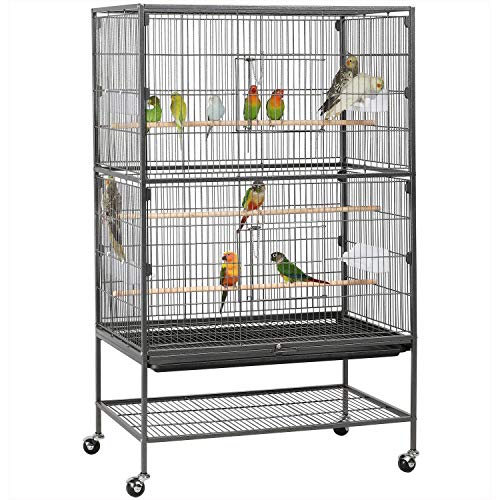
You walk over to the cage and see your parakeet sitting still, feathers puffed out like a little round cotton ball. It is a common sight, and it can be adorable. But it can also be worrying. Is your bird just comfortable, or is something wrong? The truth is, a fluffed parakeet is normal in many situations, but it is also one of the first signs that something might be off. Learning to read the rest of your bird’s body language and habits is the key to knowing when to relax and when to act. Let’s break down the most common reasons your parakeet is fluffed up.
1. Your Parakeet Is Just Sleeping or Resting
Parakeets naturally puff up their feathers when they settle down to sleep or rest. This is called the sleep puff. By fluffing, they trap a layer of air between their feathers and their skin, which acts as insulation. It keeps them warm and comfortable. If your bird is standing on one leg, eyes closed, and maybe tucking its head into its back feathers, it is simply catching some Zs. This is especially common in the evening or during a quiet afternoon nap. As long as your bird is active and alert when awake, this is nothing to worry about. Make sure their cage is in a quiet area at night and that they get 10 to 12 hours of uninterrupted sleep.
2. They Are Cold and Trying to Stay Warm
Even if your house feels fine to you, your parakeet might be chilly. A fluffed posture is the bird’s main way to conserve heat. If your parakeet is fluffed up and also shivering, or if it stays puffed for long periods while awake, check the room temperature. Parakeets are most comfortable between 65 and 80 degrees Fahrenheit. Drafts from windows, air conditioning vents, or doors can make them cold. Move the cage away from drafts and consider a cage cover at night. A well-insulated Best Parakeet Cage 2026: Wide Designs with Safe Spacing can also help, as larger cages with solid sides can block drafts better than flimsy models. If your bird is still fluffed after warming the room, look for other signs.
3. They Are Relaxed and Content
Sometimes a parakeet fluffs up simply because it feels safe and happy. You might see your bird puff up briefly while preening, chirping softly, or after a nice bath. This is often accompanied by a slight head bob or a soft beak grinding sound. Beak grinding is a classic sign of contentment in parakeets. If your bird is fluffed but also active, eating, drinking, and interacting with you, it is probably just enjoying a comfortable moment. Offering a safe, enriching environment with proper perches and toys helps them feel secure. For a cage setup that promotes comfort, check out the Natural Bird Cage Perches: 5 Best Reviewed for 2026 to give your bird natural, comfortable places to rest.
4. They Are Molting and Need Extra Care
Molting is the natural process of shedding old feathers and growing new ones. During a molt, a parakeet will often look fluffier than usual because new feathers (pin feathers) are emerging, and the bird fluffs to help loosen the old ones. You might also see small white sheaths on the new feathers. Molting can be itchy and uncomfortable, and your bird may be a bit more irritable or tired. You can help by offering a shallow dish of warm water for bathing, increasing humidity, and providing extra protein. A few Parakeet Treats Your Bird Will Love: 5 Top Picks for Every Budget that include millet or egg food can give them a nutritional boost during this time. Once the molt is over, the fluffiness usually subsides.
A parakeet has around 2,000 to 3,000 feathers. When it fluffs, it can trap enough warm air to raise its body temperature by several degrees, which is why it is such an effective way to stay warm.
5. They Are Stressed or Scared
Stress and fear can also cause a parakeet to puff up. A scared bird may fluff to appear larger and more intimidating to a perceived threat. Look for other stress signals: tail bobbing, rapid breathing, crouching in a corner, or biting. Common stressors include loud noises, new pets, a new cage location, or too much handling. If your bird is fluffed and also panting or hiding, remove the stressor if possible. Give your bird time to adjust. A secure, well-placed cage can make a huge difference. The Best Parakeet Cage for 2 Birds in 2026: 5 Top Picks often include features like removable dividers and secure locks that help birds feel safe, especially if you have a bonded pair.
6. They Are Sick or in Pain
This is the reason that worries most owners, and it is valid. A persistently fluffed parakeet, especially when combined with other symptoms, can indicate illness. Birds instinctively hide sickness, so fluffing up is often one of the first visible clues. Watch for these red flags: sitting low on the perch, tail bobbing with each breath, closed or runny eyes, sneezing, discharge from the nostrils, loss of appetite, weight loss, or a change in droppings (runny, discolored, or reduced). A sick bird may also sleep more than usual and not react to sounds or movement. If your parakeet is fluffed up for more than a few hours and shows any of these signs, please contact an avian veterinarian immediately. Do not wait. Early intervention is critical.
“A fluffed feather is a bird’s first whisper that something is wrong. Listen before it becomes a shout.”
7. They Are in Breeding Mode
Female parakeets, especially when they are getting ready to lay eggs, may fluff up more than usual. This is partly hormonal and partly to keep their brood patch warm. You might also see them shredding paper, spending more time in the nest box, or becoming more territorial. If you have a single bird, this is less common, but a paired female may exhibit this behavior. Make sure your bird has a balanced diet and plenty of calcium. If you suspect egg binding (straining, fluffed, and unable to pass an egg), this is a medical emergency and requires a vet.
In short, a fluffed parakeet is not always a problem. But it is a signal that deserves your attention. Watch your bird’s overall behavior, energy, and appetite. When in doubt, a quick check with an avian vet can give you peace of mind and keep your feathered friend healthy and happy for years to come.