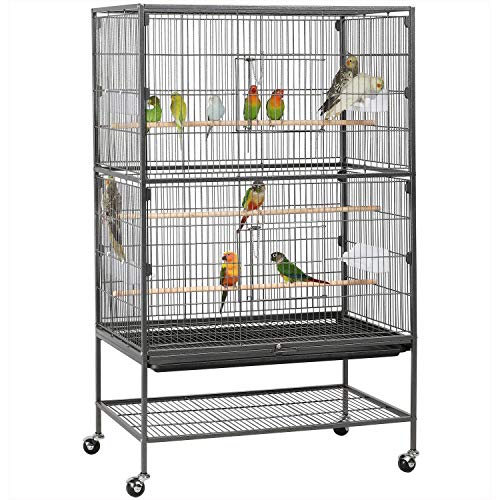
Noticing feathers at the bottom of the cage can be alarming, especially when you’re used to seeing your parakeet sleek and smooth. But here’s the good news: feather loss is often a normal part of your bird’s life cycle. Parakeets molt regularly to replace old, worn feathers with fresh ones. However, feather loss can also point to something more serious, like stress, nutritional gaps, or even an underlying health issue. In this guide, we’ll walk through the most common reasons your parakeet might be losing feathers and what you can do to help.
1. Normal Molting: The Most Common Reason
Molting is a natural process where your parakeet sheds old feathers and grows new ones. Most parakeets molt once or twice a year, though the timing can vary. During a molt, you’ll notice a gradual increase in feather loss, often with small pin feathers (the new growth covered in a waxy sheath) appearing on your bird’s head and body. Your parakeet might seem a bit tired or irritable during this time, which is perfectly normal.
To support your bird through a molt, make sure they have a balanced diet with plenty of protein and calcium. You can also offer extra bathing opportunities, as moisture helps soften the sheaths on new feathers. If you have a Ringneck Parakeet, you might notice more dramatic molting patterns. For a deeper look at their life stages, check out our guide on Ringneck Parakeet Lifespan, Explained.
2. Stress and Boredom: A Hidden Trigger
Parakeets are highly sensitive creatures, and stress can cause them to lose feathers in patches or even pull them out. Common stressors include loud noises, changes in routine, a new pet in the house, or lack of social interaction. Boredom is another big factor. If your parakeet doesn’t have enough toys, perches, or out-of-cage time, they may start over-preening or plucking feathers as a coping mechanism.
To reduce stress, keep your parakeet’s environment calm and predictable. Offer a variety of toys, rotate them often, and make sure your bird gets at least a few hours of supervised time outside the cage each day. If you’re wondering about your bird’s overall temperament and needs, our article Are Ringneck Parakeets Good Pets? Explained covers what to expect from these intelligent birds.
Parakeets have about 2,000 to 3,000 feathers total. During a heavy molt, they can lose up to a third of those feathers over a few weeks, but they’ll grow back stronger and shinier.
3. Poor Diet and Nutritional Deficiencies
Feathers are made mostly of protein, so a diet low in protein can lead to brittle, weak feathers that break or fall out easily. A seed-only diet is a common culprit. While seeds are fine in moderation, they lack many essential vitamins and minerals. Your parakeet needs a varied diet that includes high-quality pellets, fresh vegetables (like spinach, carrots, and broccoli), and occasional fruits.
Calcium is also critical for feather health. A deficiency can cause feather loss and poor feather quality. Offer a cuttlebone or mineral block in the cage at all times. If you notice your parakeet’s feathers looking dull or ragged, it might be time to rethink their menu. For more on training and bonding through feeding, see How To Train A Ringneck Parakeet To Talk? What to Know, which includes tips on using treats as positive reinforcement.
4. Parasites and Skin Infections
External parasites like mites or lice can cause intense itching, leading your parakeet to scratch and pull out feathers. You might notice small, reddish-brown specks on your bird’s skin or around the vent area. Fungal or bacterial skin infections can also cause feather loss, often accompanied by redness, scaling, or a bad smell.
If you suspect parasites or an infection, it’s important to consult an avian vet. They can prescribe safe treatments. Never use over-the-counter mite sprays meant for dogs or cats, as they can be toxic to birds. Keeping your parakeet’s cage clean and avoiding contact with wild birds can help prevent these issues.
5. Over-Preening and Feather Plucking
Feather plucking is a behavioral issue where a bird deliberately pulls out its own feathers. This is different from molting. You’ll see bare patches, often on the chest, wings, or back. Plucking can be triggered by stress, boredom, or even a medical condition like pain from an injury or internal problem.
If your parakeet is plucking, first rule out medical causes with a vet visit. Then look at their environment. Are they getting enough sleep (10 to 12 hours of darkness per night)? Do they have a companion or enough interaction with you? Sometimes a simple change, like adding a new perch or a foraging toy, can break the cycle. For more on understanding your bird’s behavior, read Why Does My Ringneck Parakeet Bite? What to Know, which covers stress signals and how to respond.
6. When to See a Vet: Signs of Illness
While many causes of feather loss are manageable at home, some require professional help. If you notice any of the following, schedule a vet visit as soon as possible: sudden, dramatic feather loss (especially in patches), bleeding or broken blood feathers, lethargy, changes in appetite or droppings, or if your bird is sitting fluffed up for long periods.
Feather loss can sometimes be a sign of more serious conditions like Psittacine Beak and Feather Disease (PBFD), liver disease, or hormonal imbalances. Only a vet can run the necessary tests. For a broader overview of health red flags, our guide on Signs Of Illness In Ringneck Parakeet, Explained can help you know what to watch for.
“Feathers are your bird’s first line of defense. When they start falling out for no clear reason, it’s your bird’s way of asking for a closer look.”
7. Environmental Factors: Air Quality and Cage Setup
Believe it or not, things like cigarette smoke, aerosol sprays, scented candles, and even cooking fumes can irritate your parakeet’s respiratory system and skin, leading to feather loss. Birds have very sensitive lungs, and poor air quality can cause chronic stress and feather damage. Make sure your parakeet’s room is well-ventilated and free from strong odors.
Cage size and setup also matter. A cage that is too small can cause feather wear and tear, especially on the tail and wing tips. Your parakeet needs enough room to stretch and flap without hitting the bars. For specific size recommendations, check out Ringneck Parakeet Cage Size Requirements, Explained. Also, provide a variety of perch sizes and textures to prevent pressure sores on the feet, which can lead to feather loss around the legs.