There you are, watching your parakeet preen, and then you see it: a feather drifts to the floor, and your bird keeps pulling at its chest. It’s a moment that makes any pet parent’s heart sink. Feather plucking is one of the most common and most frustrating behaviors in pet birds, and it’s rarely a simple problem. But here’s the good news: with patience and a little detective work, you can often figure out what’s going on and help your feathered friend feel better. Let’s walk through the likely reasons and what you can do about them, one step at a time.
First, Rule Out a Medical Issue
Before you change anything in the cage or start rearranging toys, make an appointment with an avian veterinarian. Plucking can be a sign of skin infections, parasites, allergies, liver disease, or hormonal imbalances. A vet can do a physical exam, blood work, and maybe a skin scrape to rule out these physical causes. If the vet gives your parakeet a clean bill of health, then you can confidently turn your attention to behavioral and environmental factors. If you notice other signs like lethargy, changes in droppings, or a fluffed-up posture, that’s even more reason to seek professional help quickly. You can read more about signs of illness in ringneck parakeets to know what to watch for, though the same principles apply to your parakeet.
Stress and Boredom Are the Usual Suspects
Parakeets are intelligent, social creatures, and they need mental and physical stimulation. A bird that’s bored or stressed may start plucking as a way to cope, much like a person biting their nails. Think about your bird’s daily life: Does it have enough toys? Does it get time outside the cage? Is the cage in a high-traffic area where it might feel threatened? Even small changes, like moving the cage or a new pet in the house, can trigger stress. Try to create a predictable routine for feeding, playtime, and sleep. Parakeets need about 10 to 12 hours of sleep in a dark, quiet room, so consider covering the cage at night. And don’t underestimate the power of foraging toys, which encourage natural behaviors and keep your bird’s mind busy.
Enrichment Ideas That Work
- Rotate toys every few days to keep things fresh.
- Offer shreddable toys made of paper, palm, or balsa wood.
- Hide treats in paper cups or small boxes for foraging.
- Play gentle music or leave a radio on when you’re away.
Diet and Nutrition Play a Big Role
What your parakeet eats affects not just its body but also its skin and feathers. A diet that’s too high in seeds and low in vitamins can lead to dry, itchy skin, which might prompt plucking. Aim for a balanced diet that includes high-quality pellets, fresh vegetables like leafy greens and carrots, and occasional fruit. Avoid giving your bird avocado, chocolate, or caffeine, as these are toxic. Also, make sure your parakeet always has access to clean, fresh water. If you’re unsure about the best diet, your vet can give you specific recommendations. And remember, a healthy bird is less likely to develop behavioral problems, so good nutrition is your first line of defense.
Your Parakeet Might Be Lonely
Parakeets are flock animals, and in the wild they live in large groups. A single parakeet can bond deeply with its human, but if you’re away a lot, it might feel isolated. Some birds will start plucking out of loneliness. If you have the time and space, consider getting a second parakeet as a companion. They can groom each other and provide social interaction that you can’t always give. But be prepared: introducing a new bird takes patience and a quarantine period, and you’ll need to watch for any signs of aggression. If you’re not ready for another bird, try to spend more quality time with your current one. Talk to it, let it sit on your shoulder, or teach it some simple tricks. This can help strengthen your bond and reduce its stress. For more on building a strong relationship, check out how to train a ringneck parakeet to talk, which has tips that apply to parakeets too.
Environmental Factors: Cage Size and Placement
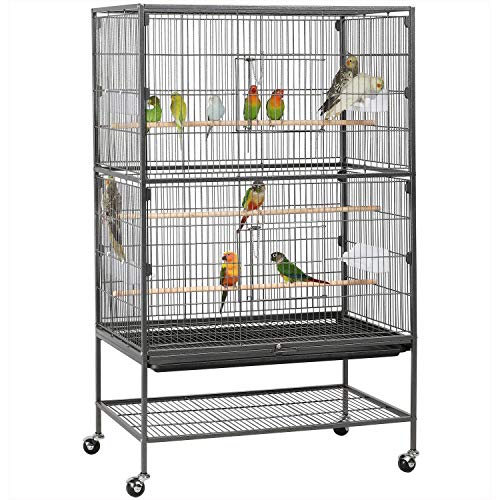
Your parakeet’s cage is its home, and if it’s too small or poorly placed, that can cause stress. The general rule is bigger is better. A cage that’s too small can make a bird feel trapped and frustrated. Make sure the bar spacing is appropriate for your bird’s size, and that there are at least two perches of different thicknesses to exercise its feet. Also, think about where the cage is located. Parakeets like to be in the middle of the action, but they also need a safe spot to retreat. Avoid placing the cage in direct sunlight, near drafts, or in the kitchen where fumes from cooking can be harmful. If you’re unsure about the right setup, you can look at ringneck parakeet cage size requirements for general guidelines, even though your parakeet is smaller.
If you notice your parakeet plucking, try adding a new toy or a mirror to the cage. Sometimes a simple change in the environment can break the habit. But if the plucking continues for more than a few days, definitely see your vet.
When Plucking Becomes a Habit
Feather plucking can become a learned behavior, even after the original cause is resolved. The bird may continue because it feels good or because it’s become a habit. In these cases, you might need to work on redirecting the behavior. When you see your bird plucking, gently distract it with a toy or a treat. You can also try giving your parakeet more baths or misting it with water to soothe the skin. Some owners have success with an Elizabethan collar, but that should only be used under veterinary guidance. The key is to be patient and consistent. It can take weeks or even months to see improvement.
“A plucked feather is a cry for help, but with love and attention, you can help your parakeet grow back its confidence, one feather at a time.”
What About Breeding or Hormonal Triggers?
If your parakeet is a female, she might pluck her feathers as part of nesting behavior. Some birds over-groom when they’re ready to breed, especially if they don’t have a suitable nesting site. This can lead to bald patches on the chest or belly. If you suspect hormones are at play, avoid giving your bird a nesting box or any dark, cozy spaces that might encourage breeding. Also, limit foods that are high in fat or protein, as these can stimulate breeding behavior. If you have a male and female pair, you might want to separate them for a while to give the female a break. For more on breeding behavior, you can check out ringneck parakeet breeding behavior, which explains some of the dynamics that also apply to parakeets.
Remember, every parakeet is an individual, and what works for one might not work for another. The most important thing is to observe your bird closely, keep a journal of when the plucking happens, and work with your vet to create a plan. With time, patience, and a little creativity, you can help your parakeet feel safe and happy again.