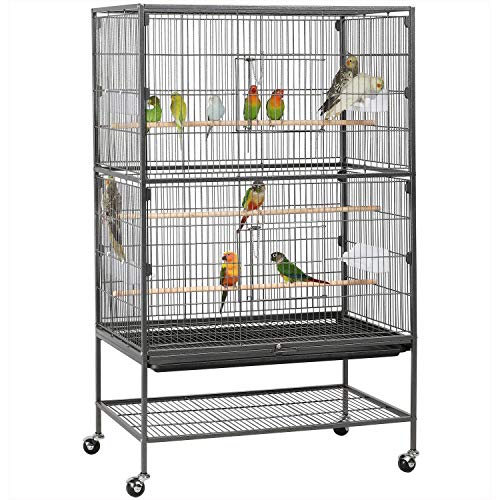
You hear it again, that tiny choo from the cage, and then another. Your parakeet sneezing all the time is worrying, but it’s also one of the most common questions we get from bird owners. The truth is, parakeets sneeze for many reasons, from simple dust tickling their nose to more serious respiratory infections. The key is to stay calm, observe closely, and make a few quick changes to their environment. In this guide, we’ll walk through the most likely culprits, what to look for, and exactly when you need to involve your avian vet.
1. Dry Air Is the Number One Cause
Parakeets come from humid, tropical regions, so their respiratory systems are not built for dry indoor air. When your home’s humidity drops, especially in winter or with air conditioning, the delicate membranes in your bird’s nostrils dry out. That causes irritation and, you guessed it, sneezing fits. A simple solution is to add a cool-mist humidifier near the cage, aiming for 40 to 60% humidity. You can also offer a shallow dish of water for bathing, which many parakeets love and which helps moisten their airways. If you notice your bird sneezing more after you turn on the heat, this is likely the cause.
2. Dust, Dander, and Airborne Irritants
Your parakeet’s tiny nose is incredibly sensitive. Everyday household items like scented candles, air fresheners, perfume, cooking fumes, and even dusty bedding can trigger sneezing. Also, the seed hulls and feather dust from your bird itself can accumulate in the cage. Make sure you’re cleaning the cage regularly and using a good air purifier with a HEPA filter nearby. Avoid spraying any aerosols around the cage. If you use a cage liner or bedding, switch to a low-dust option. For more on setting up a healthy home for your bird, check our cage size and setup guide to ensure you’re not overcrowding or using dusty materials.
3. Allergies in Parakeets
Yes, parakeets can have allergies, just like people. Common triggers include pollen from indoor plants, mold spores, and even certain foods. If your bird sneezes more during certain seasons or after you bring in a new plant, that’s a clue. Try removing potential allergens one at a time to see if the sneezing subsides. Also, be cautious with scented litters or wood shavings in the cage tray. If you suspect a food allergy, note whether sneezing happens after eating a particular treat. Keep a diary for a week, and you’ll likely spot the pattern.
4. Respiratory Infections and When to Worry
If sneezing is accompanied by other signs, it could be a bacterial, viral, or fungal infection. Watch for nasal discharge (clear or colored), wet or crusty nostrils, labored breathing, tail bobbing, decreased appetite, or a change in voice. A parakeet that sits fluffed up all day is also a red flag. These symptoms mean you need to see an avian vet promptly. Do not try home remedies or over-the-counter treatments. Early intervention is critical for respiratory issues. For a broader look at health warning signs, our article on signs of illness in ringneck parakeets offers a helpful checklist, though the same applies to all parakeets.
If your parakeet sneezes more than a few times a day for two days, or if you see any nasal discharge, breathing effort, or lethargy, call your avian vet. A simple infection can become serious fast.
5. Diet and Nutrition as a Hidden Factor
What your parakeet eats affects its immune system and respiratory health. A diet that’s all seeds lacks essential vitamins, especially vitamin A, which keeps mucous membranes healthy. Without it, your bird is more prone to infections and sneezing. Offer a high-quality pellet as the base, plus fresh vegetables like carrots, sweet potatoes, and leafy greens. Avoid avocado and chocolate, which are toxic. If you’re unsure about transitioning your bird to a healthier diet, you might also enjoy learning about what makes parakeets great pets and their care needs. But for now, focus on boosting those nutrients.
6. Stress and Environmental Changes
Parakeets are sensitive to change. Moving to a new home, a new cage location, a new pet, or even loud noises can cause stress, which lowers their immunity and can manifest as sneezing. Also, if you’ve recently changed their breeding or nesting setup (if you have a pair), that can add stress. Give your bird time to adjust, keep a consistent routine, and make sure the cage is in a quiet, draft-free spot away from direct sunlight and heating vents. A calm bird is a healthier bird.
7. Simple Fixes You Can Try Today
Before you panic, try these three things. First, move the cage away from any drafts, open windows, or air vents. Second, give your parakeet a warm, shallow bath or gently mist them with lukewarm water to help clear their nostrils. Third, clean the cage thoroughly, removing any dusty substrate and washing food and water dishes. If the sneezing stops, it was environmental. If it continues, or if you see any other symptoms, it’s time for a vet visit. Remember, a single sneeze here and there is normal, but constant sneezing is not.
“A parakeet’s sneeze is a whisper from their lungs. Listen closely, and they’ll tell you if it’s just dust or a deeper cry for help.”
You know your bird best. Trust your instincts. Most sneezing issues are easily fixed with a little attention to air quality and cleanliness. But when in doubt, a quick call to your avian vet can give you peace of mind and keep your feathered friend happy and healthy for years to come.