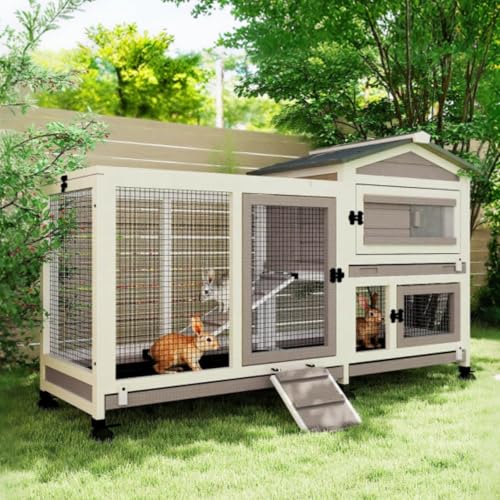
You scoop the litter box and spot it: pellets that are tiny, misshapen, squishy, or strung together like a chain. It’s easy to panic, but take a breath. Rabbit poop is one of the best windows into their health, and weird pellets are often a signal you can act on right away. In this guide, we’ll walk through what normal rabbit poop looks like, why your rabbit might be producing odd pellets, and what you can do to get things back on track. Remember, you know your rabbit best, and if something feels really wrong, a quick call to your vet is always a good idea.
What Does Normal Rabbit Poop Look Like?
Healthy rabbit poop is usually round, dry, and crumbly, made of compressed hay fibers. They should be fairly uniform in size, about the size of a pea or a chickpea, depending on your rabbit’s breed. You’ll also see cecotropes, which are softer, darker, and often clustered like a grape bunch. These are nutrient-rich and your rabbit usually eats them directly from the source, so you might not see them often. If you do see them in the litter box, it’s not always a problem, but it can be if they’re frequent.
Why Are the Pellets Tiny or Misshapen?
Small, hard, or oddly shaped pellets are the most common weird-poop complaint. The number one culprit is a diet that’s too low in fiber, especially hay. Hay is essential for keeping the gut moving, and without enough of it, the intestines slow down and produce smaller, drier pellets. Check your rabbit’s hay supply: is it fresh, unlimited, and actually being eaten? Sometimes rabbits get picky and leave the stems, so try offering a different variety or a hay rack that makes it more fun. Also, think about treats and pellets. Too many sugary treats or commercial pellets can crowd out hay and lead to weird poop. Aim for 80% hay, 10% fresh greens, and 5% pellets as a general rule.
What About Soft, Mushy, or Uneven Pellets?
Soft, mushy, or uneven pellets often point to a sudden change in diet, too many veggies, or a bit of stress. If you’ve recently introduced a new vegetable, that can cause loose stools. Similarly, if your rabbit is feeling anxious, maybe from a new pet in the house or a loud noise, their digestion can be affected. Another common cause is dehydration. Make sure your rabbit always has fresh water, and consider a bowl instead of a bottle, as bowls encourage more drinking. If the softness is accompanied by a messy bottom, that’s a sign to act fast, as it can lead to flystrike. Gently clean the area and monitor closely.
When Pellets Look Like Chains or Have a Tail
You might see pellets that are connected by a thin strand of fur or mucus, sometimes called a “beaded” or “pearl” appearance. This usually means your rabbit is ingesting a lot of fur, which happens during shedding season. The fur binds the pellets together as they pass through. Regular grooming is key here, especially for long-haired breeds. If you have a Flemish Giant, you know their shedding can be intense, so check out our Flemish Giant Rabbit Shedding Season guide for grooming tips. Also, ensure your rabbit has plenty of hay to push the fur through. If you see a lot of mucus or the pellets are very tiny and hard, it could be a sign of a blockage, so keep an eye on it.
What Should I Do to Help My Rabbit’s Digestion?
First, do a quick diet audit. Are you giving unlimited grass hay? Is the hay fresh and fragrant? If not, replace it. Reduce or eliminate sugary treats and high-carb pellets for a few days. Increase fresh, leafy greens gradually, but avoid gas-inducing ones like broccoli or cabbage. Make sure your rabbit is drinking enough water; you can even add a little bit of unsweetened apple juice to the water to encourage drinking, but change it daily. Gentle exercise also helps move the gut, so let your rabbit out for a good hop around a safe space. If you’re cleaning the cage, make sure you’re not disturbing their routine too much, as rabbits are creatures of habit. For more on maintaining a clean and stress-free environment, check out how often to clean a Flemish Giant rabbit cage, but the same principles apply to any breed.
Keep a daily poop diary for a week. Note the size, shape, and amount. This helps you spot patterns and gives your vet useful info if you need to call.
When Should I Worry and Call the Vet?
While most pellet changes are diet-related, some signs warrant a vet visit. If your rabbit stops eating altogether, has no poop for 12 hours, or is showing signs of pain like teeth grinding or a hunched posture, that’s an emergency. Also, if the weird pellets come with a loss of appetite, lethargy, or diarrhea that’s watery, don’t wait. Gut stasis is a serious condition where the digestive system slows down or stops, and it can be fatal if not treated. Always trust your gut. You know your rabbit’s normal better than anyone. If you’re ever unsure, a quick call to your vet can give you peace of mind. For more on general health red flags, you might find signs of illness in Flemish Giant rabbits helpful, though it applies broadly.
“Healthy rabbit poop is a sign of a happy gut. When it changes, listen to what it’s telling you.”
Preventing Weird Pellets in the Future
Prevention is all about consistency. Stick to a high-fiber diet, provide unlimited hay, and keep fresh water available at all times. Keep treats to a minimum and avoid sudden diet changes. Regular grooming, especially during shedding seasons, prevents fur from building up in the digestive tract. Also, keep your rabbit’s living space clean and stress-free. A tidy, predictable environment goes a long way. If you have a giant breed, you know they need extra space and care, so check out Flemish Giant rabbit cage size to ensure your setup supports their health. And if you’re ever wondering about their overall lifespan or behavior, our guides on Flemish Giant rabbit lifespan and why rabbits thump can offer more insight.
Weird pellets don’t have to be a mystery. By paying attention to your rabbit’s diet, hydration, and environment, you can usually fix the issue quickly. And when in doubt, your vet is just a phone call away. You’ve got this, and your rabbit is lucky to have you watching out for them.