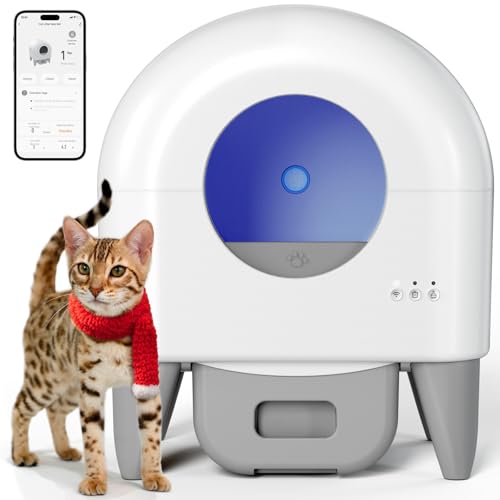
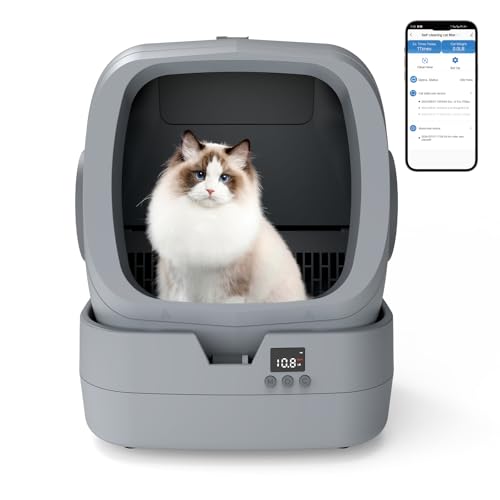
The best automatic cat litter box pairs reliable self-cleaning with health monitoring, and the Fumoi Automatic Cat Litter Box leads our 2026 testing thanks to its large capacity and dependable raking system for multi-cat homes. Strong app-controlled rivals from Mintakawa and UPFAS add weight tracking that turns routine scooping into early illness detection.
1-2 min
Typical delay before a self-cleaning cycle starts
2-3 cats
Cats most single-unit automatic boxes comfortably serve
7-14 days
Average waste-drawer capacity before emptying
60%+
Reduction in ambient litter odor versus manual scooping
An automatic cat litter box does more than save you from daily scooping. By removing waste within minutes of each visit, it keeps the litter bed consistently clean, which directly reduces ammonia odor and discourages the litter-box aversion that drives so many cats to eliminate outside the box. In my clinical experience, the cats with the fewest urinary and behavioral problems are the ones with the cleanest, most predictable toileting setups, and automation makes that consistency easy to maintain.
When choosing one, look past the marketing and focus on the fundamentals: a roomy interior, a safe and accurate sensor system, a sealed waste compartment, and litter compatibility with clumping clay. Newer models add app control and per-visit weight logging, which I genuinely value because subtle weight loss and changing bathroom frequency are often the first measurable signs of illness. Prioritize safety certifications and easy disassembly for cleaning above flashy features.
Why this matters Many owners assume a self-cleaning box means they no longer need to watch the litter, but the opposite is true. Because waste disappears automatically, you lose the daily visual check on stool consistency, urine clump size, and frequency that often catches illness early. This is exactly why I now favor models with per-visit weight and usage logging, since the app restores the monitoring that automation would otherwise hide.
Pro tip Buy a unit that runs on standard clumping clay litter rather than proprietary cartridges or crystals, because litter is the recurring cost that adds up, and avoid scented filters since most cats prefer a neutral, unscented box anyway.