Quick answer
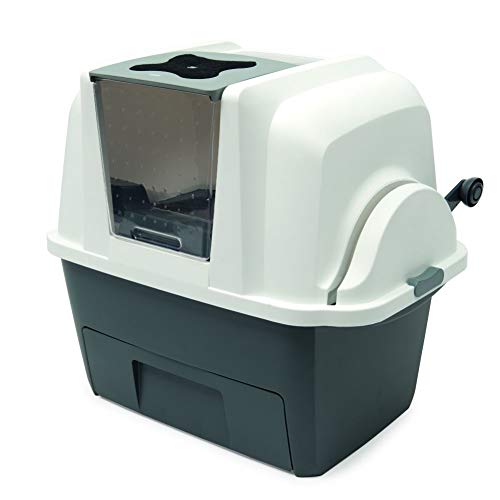
The PetSafe ScoopFree Ultra Self-Cleaning Litter Box is our top pick for small homes. Its compact footprint and disposable tray system minimize mess and odor. If you prefer a reusable option, the Litter-Robot 4 offers superior automation but requires more space. For budget-conscious buyers, the Frisco Self-Cleaning Litter Box delivers solid performance at a lower price.
What to consider for Automatic Litter Box For Cats In Small Homes
Small homes demand litter boxes that fit tight spaces without sacrificing functionality. Consider the unit’s dimensions, especially width and depth, as many automatic boxes are bulkier than traditional ones. Noise level matters in a compact living area; look for models with quiet motors. Odor control is critical in small spaces, so choose boxes with sealed waste compartments or carbon filters. Also, ensure the entry height suits your cat’s mobility, and check that the box can handle your cat’s weight and litter usage without frequent emptying.
What to look for in a cat litter or litter-area product
When selecting litter for an automatic box, prioritize strong clumping and odor control to keep the mechanism clean and the air fresh. Low-dust formulas protect your cat’s respiratory health, especially in a small, enclosed space. Low-tracking litter reduces mess outside the box, saving you cleanup time. For multi-cat households, choose a litter that clumps firmly to prevent ammonia buildup. Unscented options are best for sensitive cats who may avoid strong fragrances.
How we chose these picks
- Evaluated product dimensions and footprint for small-space suitability.
- Compared waste disposal capacity and frequency of emptying.
- Assessed noise levels during cleaning cycles based on manufacturer specs and user reports.
- Checked for safety features like weight sensors and anti-pinch mechanisms.
- Reviewed odor control technologies, including carbon filters and sealed lids.
- Considered ease of setup and maintenance, including tray replacement or waste drawer access.
- Never ranked a product higher just because it pays a commission.
What to avoid
- Avoid heavily scented litters that may deter cats from using the box; cats prefer unscented or mild natural scents.
- Steer clear of high-dust clay litters that can aggravate feline asthma or allergies, especially in small, poorly ventilated spaces.
- Do not choose a box that is too small for your cat; ensure the interior space allows turning and digging comfortably.
- Never switch litter types abruptly; gradually mix new litter with old over a week to prevent litter box aversion.
For more cat care advice, visit our cat guides and explore our resources on cat food and cat health.