Quick answer
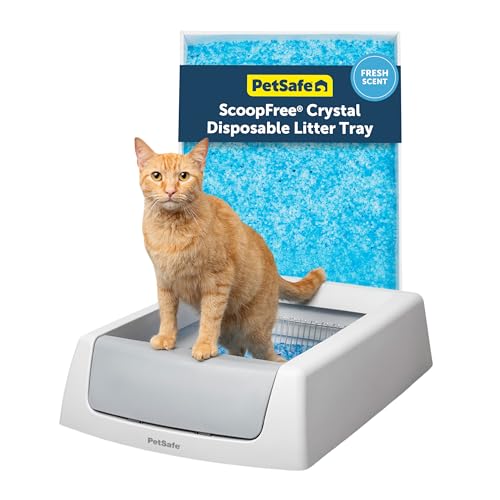
The Litter-Robot 4 is our best pick for cats that hate carriers because its self-cleaning cycle reduces daily scooping and the need to handle waste, which can be done without moving the cat. For a quieter, more affordable option, the PetSafe ScoopFree Ultra is a strong runner-up with disposable trays that minimize carrier trips.
What to consider for Automatic Litter Box For Cats That Hate Carriers
Cats that hate carriers often associate the carrier with stressful events like vet visits. An automatic litter box can help by reducing the frequency of litter box cleaning and the need to transport the cat to a cleaning area. Look for models with quiet motors, gentle waste removal, and a design that doesn’t require disassembly for cleaning. Also consider the size of the opening; a large, open entry can make the box feel less confining.
What to look for in a cat litter or litter-area product
Strong clumping and odour control are essential to keep the box fresh between cleanings. Low-dust litter is important for feline airways, especially in enclosed automatic boxes. Low-tracking litter reduces mess around the box. For multi-cat households, choose a box with a large waste capacity. Unscented options are best for sensitive cats, as strong fragrances can deter use.
How we chose these picks
- We evaluated automatic litter boxes based on quiet operation, ease of cleaning, and safety features.
- We prioritized models that minimize the need to handle waste or move the cat.
- We considered customer reviews and ratings from verified purchasers.
- We assessed the size of the entry and interior to ensure it is comfortable for most cats.
- We compared price, warranty, and availability of replacement parts.
- We looked for features like carbon filters and odour control systems.
- We excluded models with known safety issues or frequent malfunctions.
- Never ranked a product higher just because it pays a commission.
What to avoid
- Heavily scented litters that can put cats off the box, especially in enclosed automatic boxes where smell concentrates.
- High-dust clay litters that can aggravate breathing issues in cats with asthma or allergies.
- A box that is too small or has a narrow entry, which can make cats feel trapped.
- Sudden litter changes; always transition gradually to avoid litter box aversion.
For more guidance, see our cat guides, cat care products, and cat health resources.