Quick answer
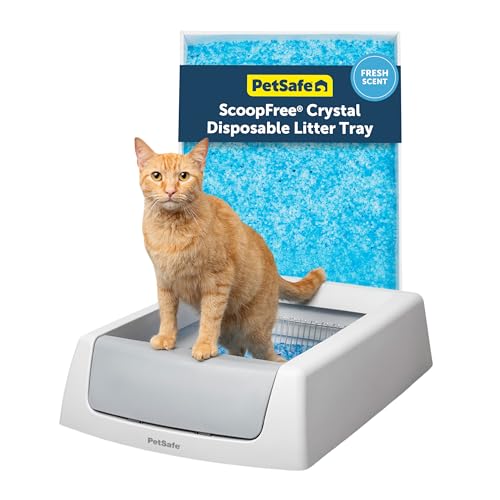
Our top pick is the Litter-Robot 4 for its superior odor-sealing waste drawer and carbon filter system. It automatically sifts waste into a lined drawer, locking in smells. For a more budget-friendly option, the PetSafe ScoopFree Ultra Self-Cleaning Litter Box offers excellent odor control with its disposable tray and carbon filter. Multi-cat households may prefer the Frisco Scoop-Free Self-Cleaning Litter Box for its larger capacity.
What to consider for Automatic Litter Box For Odor Control
Automatic litter boxes manage waste by raking or sifting solids into a sealed compartment. Key odor-control features include carbon filters, covered waste receptacles, and antimicrobial liners. Consider the frequency of self-cleaning cycles, the size of the waste drawer, and how often you need to empty it. For multiple cats, a larger waste capacity and robust filtration are essential. Noise level and ease of cleaning the unit also affect long-term satisfaction.
What to look for in a cat litter or litter-area product
Strong clumping and odor control are vital; look for litters that form hard clumps to trap urine odors. Low dust is important for feline respiratory health, especially in automatic boxes where dust can accumulate. Low-tracking formulas reduce mess around the box. For multi-cat homes, choose a litter designed for multiple cats. Unscented options are best for sensitive cats who may avoid strong fragrances.
How we chose these picks
- Evaluated odor-control features: carbon filters, sealed waste drawers, and antimicrobial coatings.
- Compared self-cleaning mechanisms: rake vs. sifting vs. rotating drum.
- Considered waste capacity relative to number of cats.
- Reviewed ease of maintenance: disassembly, cleaning, and filter replacement.
- Checked compatibility with clumping litter types.
- Assessed noise levels during operation.
- Read verified customer feedback on odor control over time.
- Never ranked a product higher just because it pays a commission.
What to avoid
- Heavily scented litters that may deter cats from using the box.
- High-dust clay litters that can irritate cats with asthma or allergies.
- An automatic box that is too small for your cat; ensure the entry and interior are spacious.
- Sudden changes in litter type; transition gradually to avoid litter box aversion.
For more guidance, visit our cat guides and check out cat health and cat care products.