Quick answer
The Litter-Robot 4 is our top pick for wet food diets because its self-cleaning sifting cycle separates waste from clean litter without scraping, handling soft stool better than raking models. For a more budget-friendly option, the PetSafe ScoopFree Ultra with crystal litter absorbs moisture and controls odors well, though crystals can be pricey to replace.
What to consider for Automatic Litter Box For Wet Food Diets
Cats on wet food diets often produce stool that is softer and more odorous due to higher moisture content and protein levels. An automatic litter box must effectively manage sticky waste that can smear on rakes or liners. Sifting mechanisms (like the Litter-Robot) or disposable trays (like ScoopFree) tend to handle this better. Odor control is critical: look for carbon filters, sealed waste drawers, and compatible clumping litter that forms hard clumps even with moist stool. Also consider the box’s cycle delay setting, as some cats with loose stool may need extra time before the cleaning cycle starts.
What to look for in a cat litter or litter-area product
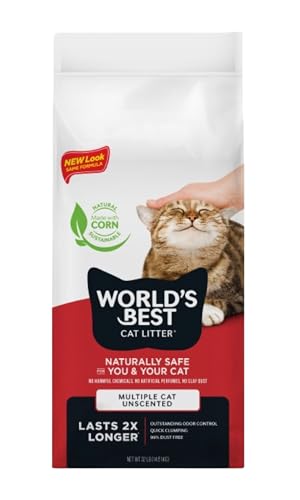
Strong clumping and odor control are essential, especially for wet food diets. Choose a litter that forms hard clumps quickly, such as unscented clumping clay or a plant-based clumping litter. Low dust is important to protect feline airways, particularly for cats with respiratory sensitivities. Low tracking reduces mess outside the box; consider a litter mat and a box with a ramp or high sides. For multi-cat households, ensure the box can handle multiple cycles per day and has a large waste capacity. Unscented options are best for cats who may be put off by fragrances.
How we chose these picks
- Evaluated automatic litter boxes based on their ability to handle soft stool without jamming or smearing.
- Prioritized models with strong odor control features, including carbon filters and sealed waste compartments.
- Considered litter compatibility, favoring boxes that work well with clumping clay or crystal litters.
- Assessed ease of cleaning and maintenance, especially for sticky waste.
- Reviewed safety features such as weight sensors and cycle delay to protect cats.
- Compared price points and long-term costs (litter, filters, trays).
- Checked customer feedback for real-world performance with wet food diets.
- Never ranked a product higher just because it pays a commission.
What to avoid
- Heavily scented litters that can deter cats from using the box, leading to avoidance.
- High-dust clay litters that may aggravate feline asthma or respiratory issues.
- A box that is too small or insufficient number of boxes for the number of cats; the rule is one box per cat plus one extra.
- Sudden litter changes; always transition gradually over a week by mixing old and new litter.
For more guidance, visit our cat guides, cat food, and cat care products sections.