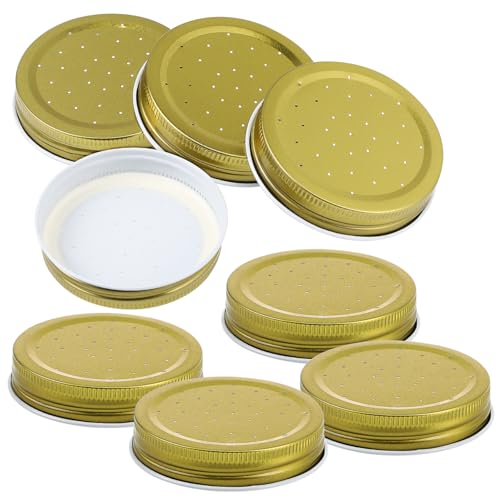
A bee feeder is one of the most underrated tools in beekeeping, yet it directly affects colony survival during dearth periods, early spring buildup, and the lean weeks after installing a new package. Whether you are supplementing sugar syrup to stimulate brood rearing or simply providing clean water so foragers do not drift to your neighbor’s pool, the feeder you choose determines how efficiently bees access nutrition and how much risk they face. Poorly designed feeders cause drowning, robbing, and mold, all of which stress the colony.
When choosing a bee feeder, look for drowning protection such as floats, ladders, or shallow basins, plus materials that resist weathering and are easy to clean. Capacity should match your colony size and how often you can refill, and placement matters too: entrance feeders are convenient but can trigger robbing, while hive-top and internal feeders keep activity discreet. Prioritize food-safe materials and a design you can refill without cracking the hive open in cold weather.


