Quick answer
Our top pick is the PetFusion Ultimate Cat Bed with its raised rim and washable cover that traps litter effectively. For budget-conscious owners, the AmazonBasics Cat Bed offers a simple, low-profile design that catches stray granules. If you prefer a covered option, the Kitty Cot Cat Bed provides a cozy cave that minimizes scatter.
What to consider for Cat Bed For Cats That Track Litter
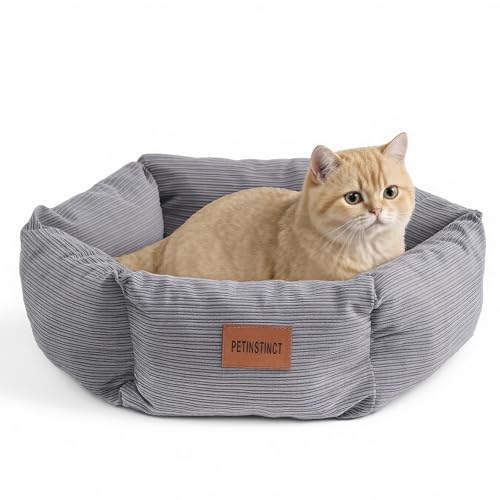
When choosing a bed to combat litter tracking, focus on design features that trap debris. Look for raised edges or rims that catch litter as your cat exits, and consider materials like microfiber that attract and hold granules. A washable cover is essential for easy cleanup. Also, think about placement: a bed near the litter box entrance can catch most tracking, while a mat underneath adds extra protection. Avoid beds with slippery surfaces that allow litter to slide off easily.
What to look for in a cat litter or litter-area product
For effective litter management, prioritize strong clumping and odor control to keep the area fresh. Low-dust formulas protect feline airways, especially for cats with respiratory sensitivities. Low-tracking litters reduce scatter, and multi-cat suitability ensures harmony in homes with multiple felines. Unscented options are ideal for cats with sensitive noses or those who avoid perfumed products.
How we chose these picks
- Evaluated bed designs for litter-trapping effectiveness, such as raised rims and textured surfaces.
- Reviewed material quality and ease of cleaning, including machine-washable covers.
- Considered customer feedback on durability and litter containment over time.
- Compared price points to offer options for various budgets.
- Assessed compatibility with different cat sizes and sleeping styles.
- Checked for safety features like non-slip bottoms and non-toxic materials.
- Never ranked a product higher just because it pays a commission.
What to avoid
- Heavily scented litters that may deter cats from using the box.
- High-dust clay litters that can irritate feline airways.
- A litter box that is too small or too few boxes for the number of cats.
- Sudden litter changes that can cause litter box aversion.
For more guidance, visit our cat guides, cat care products, and cat health sections.