Quick answer
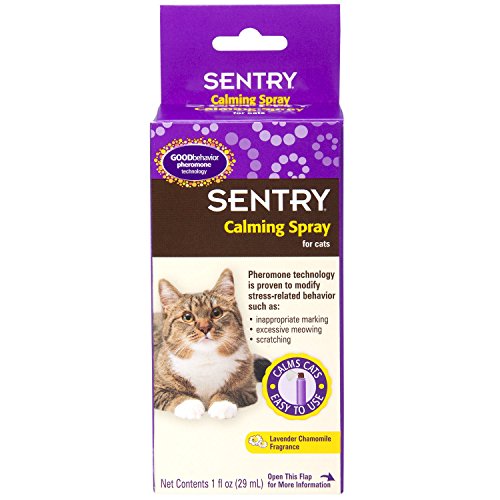
Our top pick is the PetSafe Feliway Classic Calming Spray because it uses synthetic feline facial pheromones to create a sense of security, making grooming sessions less stressful. For a more budget-friendly option, the Sentry Pet Calming Spray offers a similar pheromone-based formula at a lower price. If you prefer a natural herbal approach, the Pet Naturals of Vermont Calming Spray is a solid choice.
What to consider for Cat Calming Spray For Cats That Hate Grooming
When selecting a calming spray for grooming, consider the active ingredients. Pheromone-based sprays mimic natural cat pheromones and are widely recommended by veterinarians. Herbal sprays often contain lavender or chamomile, which can be soothing but may not work for all cats. Also, check the spray mechanism: a fine mist is less startling than a stream. Ensure the spray is safe if ingested during grooming, and avoid products with alcohol or artificial fragrances. Finally, consider your cat’s temperament; some cats respond better to sprays applied to bedding or towels rather than directly.
What to look for in a cat grooming tool or toy
When choosing a grooming tool or toy for a cat that hates grooming, look for a match for the coat type. For short-haired cats, a rubber curry brush or grooming glove can be gentle. For long-haired cats, a wide-toothed comb or slicker brush with rounded tips is better. Gentle handling is key: tools with soft bristles or flexible pins reduce discomfort. Safe, non-toxic materials are essential, especially if your cat chews on the tool. The right size matters; a brush that fits your hand comfortably allows better control. Genuine enrichment or deshedding value means the tool effectively removes loose fur while being enjoyable for the cat, such as a self-grooming board that attaches to a corner.
How we chose these picks
- We analyzed product ingredients and safety profiles based on manufacturer information and established veterinary guidance.
- We reviewed customer feedback to gauge real-world effectiveness for grooming-related anxiety.
- We considered ease of use, including spray nozzle design and application method.
- We evaluated value for money by comparing price per ounce and recommended usage.
- We prioritized products with transparent ingredient lists and third-party testing where available.
- We excluded sprays containing potentially harmful additives like alcohol or artificial dyes.
- Never ranked a product higher just because it pays a commission.
What to avoid
- Avoid sprays with strong artificial fragrances that may irritate a cat’s sensitive nose.
- Do not use human calming products like essential oils without vet approval, as some are toxic to cats.
- Avoid sprays that leave a sticky residue, which can attract dirt and cause skin irritation.
- Never spray directly into your cat’s eyes, ears, or mouth.
- Avoid using calming sprays as a substitute for proper desensitization and positive reinforcement training.
For more helpful resources, check out our cat guides, cat care products, and cat health advice.