Quick answer
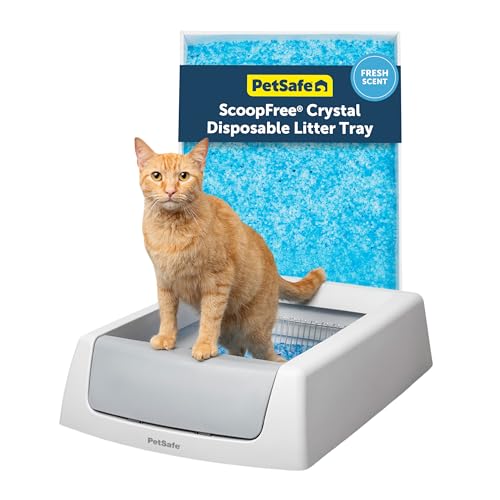
The PetSafe ScoopFree Self-Cleaning Litter Box with Ultra Odor Control is our top pick because it automatically removes waste and uses a carbon filter to trap smells. If you prefer a camera with a traditional litter box, the Litter-Robot 4 with OdorTrap offers excellent odor control and health monitoring. For budget-conscious buyers, the Frisco Self-Cleaning Litter Box provides reliable odor management at a lower price.
What to consider for Cat Camera For Odor Control
When choosing a cat camera for odor control, consider the type of odor control mechanism: carbon filters, sealed waste compartments, or self-cleaning rakes. The camera’s resolution and field of view matter for monitoring litter box usage. Also evaluate the noise level of the cleaning cycle, as loud mechanisms may scare cats. Ensure the camera app provides alerts for waste removal and odor events. Finally, check compatibility with your cat’s litter preference and the box’s size for your cat’s comfort.
What to look for in a cat litter or litter-area product
Strong clumping and odor control are essential to lock in smells and simplify scooping. Low dust is critical for feline respiratory health, especially in multi-cat homes. Low-tracking litter reduces mess outside the box. For multi-cat households, choose a formula designed for multiple cats. An unscented option is best for sensitive cats who may avoid heavily perfumed litter.
How we chose these picks
- Evaluated odor control technology including carbon filters, sealed bins, and self-cleaning mechanisms.
- Compared camera resolution, night vision, and app features for monitoring litter box activity.
- Reviewed customer feedback on odor reduction effectiveness and ease of cleaning.
- Considered product safety and cat comfort, including noise levels and entry height.
- Assessed durability and warranty coverage for long-term use.
- Selected products from reputable brands with proven track records.
- Never ranked a product higher just because it pays a commission.
What to avoid
- Heavily scented litters that may deter cats from using the box.
- High-dust clay litters for cats with asthma or respiratory issues.
- A box that is too small or insufficient number of boxes for multiple cats.
- Sudden litter changes; transition gradually over a week.
For more guidance, visit our cat guides, cat care products, and cat health sections.


