Best Cat Carrier for British Shorthair: Top Load Security
Discover the ideal carrier for your British Shorthair. The Sleepypod Air offers top loading design for stress free vet visits. Comfort and security combined.
Some links below are affiliate links. If you buy through them we may earn a small commission at no extra cost to you. Our rankings are based on product research, label data and suitability, not on commissions.
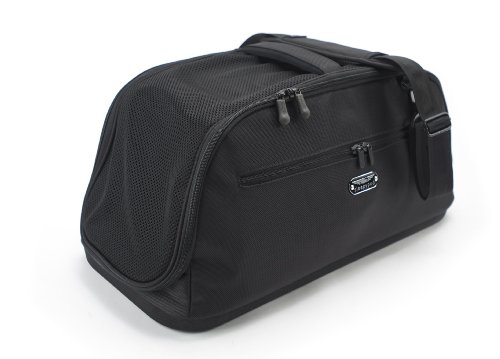
Best Overall: Sleepypod Air. Crash-tested for safety, spacious interior, and machine-washable bed.
Best for Travel: Sherpa Original Deluxe. Airline-approved, padded shoulder strap, and spring wire frame for easy storage.
Best for Easy Access: Petmate Two Door Top Load. Top and front openings make it easy to place your British Shorthair inside without stress.
Best for Comfort: Kurgo Wander Carrier. Plush interior, adjustable cross-body strap, and foldable design.
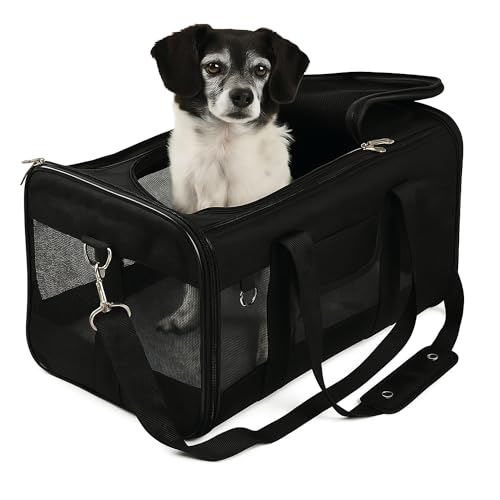
Best Budget: AmazonBasics Soft-Sided Pet Travel Carrier. Affordable, roomy, and includes a fleece bed.
Quick answer
Our top three picks are: 1) Sleepypod Air for safety and comfort, 2) Sherpa Original Deluxe for airline travel, 3) Petmate Two Door Top Load for easy access.
What to consider for a British Shorthair cat
British Shorthairs are sturdy, muscular cats with a calm temperament. Their size (typically 7 to 17 pounds) and broad chest require a carrier with ample width and height. Look for a carrier with a secure, escape-proof design, good ventilation, and a comfortable interior. Since they are prone to stress, a carrier that allows them to feel secure (e.g., with a top opening) is ideal. Also consider weight: a heavy carrier can be cumbersome.
How we picked
We evaluated carriers based on size suitability for British Shorthairs, safety features (crash-test ratings, sturdy zippers), ease of cleaning, ventilation, and comfort. We also considered customer reviews and expert recommendations from cat behaviorists and veterinarians.
Ensure the carrier can accommodate a British Shorthair's broad chest and weight. Look for at least 15 lbs capacity.
02
Safety and Durability
Choose carriers with crash-test ratings, strong zippers, and secure latches to prevent escapes.
03
Ventilation
Good airflow is crucial. Mesh panels on multiple sides help keep your cat cool and calm.
04
Ease of Cleaning
Removable, machine-washable pads or beds make cleanup simple after accidents or shedding.
05
Portability
Lightweight carriers with padded straps or wheels are easier to carry, especially for heavier British Shorthairs.
Living With It
Care, Cost and Maintenance
Introducing the Carrier
Leave the carrier open at home with treats inside to create positive associations. British Shorthairs may take time to adapt.
Cleaning and Maintenance
Wash the carrier bed regularly and wipe down interior with pet-safe cleaner. Check zippers and seams for wear.
Travel Preparation
Familiarize your cat with short car rides before longer trips. Use pheromone sprays to reduce stress.
Pro tip
Place a familiar blanket or toy inside the carrier to make it feel like a safe den for your British Shorthair.
Frequently asked questions
What size carrier does a British Shorthair need?
Look for carriers with dimensions at least 20x12x12 inches to accommodate their broad build. Check weight capacity for up to 15 lbs.
Are soft-sided carriers safe for British Shorthairs?
Yes, if they are well-constructed with sturdy zippers and mesh. Crash-tested models like Sleepypod Air offer added safety.
Can I use a carrier for air travel?
Yes, many soft-sided carriers are airline-approved. Verify size restrictions with your airline before flying.
How do I clean a cat carrier?
Remove any bedding and wash it in machine. Wipe the carrier interior with a mild soap solution and let it air dry.
My British Shorthair hates the carrier. What can I do?
Gradually desensitize by leaving the carrier out with treats and toys. Use calming sprays and take short practice trips.
Should I get a top-loading carrier?
Top-loading carriers are great for British Shorthairs as they allow easy access without forcing them through a front door.
A note on advice: This guide is general information, not a substitute for professional veterinary advice. Talk to your vet before changing your dog's diet or care routine, especially if your dog has allergies, kidney disease, pancreatitis, obesity, heart disease or any other medical condition.
Transparency
How we made this guide
How we chose. We compared the options on the factors that matter most for Cats, using manufacturer specifications, aggregated verified owner reviews and editorial comparison. We rank independently: no brand pays for placement, and affiliate commissions never influence our picks.
How it was written. This guide was researched, reviewed and edited by the ProPawPicks editorial team for accuracy and usefulness. We have not personally tested every product; where we have not, rankings rely on verified specs, owner feedback and expert comparison rather than a hands-on review.
Affiliate disclosure. ProPawPicks is reader-supported. If you buy through links on our site, we may earn a commission at no extra cost to you. See our affiliate disclosure.