Some links below are affiliate links. If you buy through them we may earn a small commission at no extra cost to you. Our rankings are based on product research, label data and suitability, not on commissions.
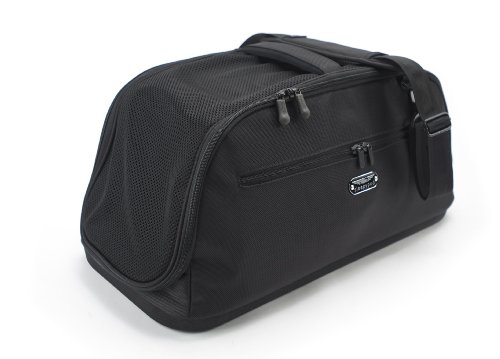
Best Overall: Sleepypod Air. Crash-tested for car safety, machine-washable pad, and folds flat for storage.
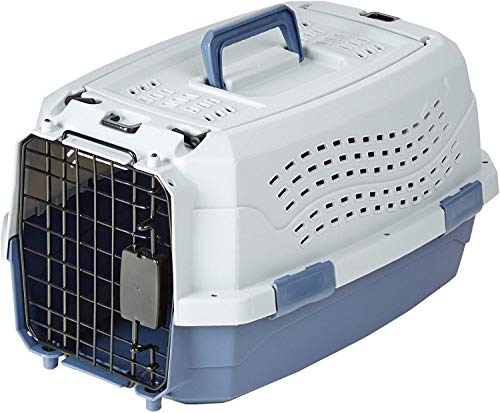
Best Budget: Amazon Basics Two-Door Top-Load Cat Carrier. Affordable, sturdy, with top and front entry; easy to clean plastic base.
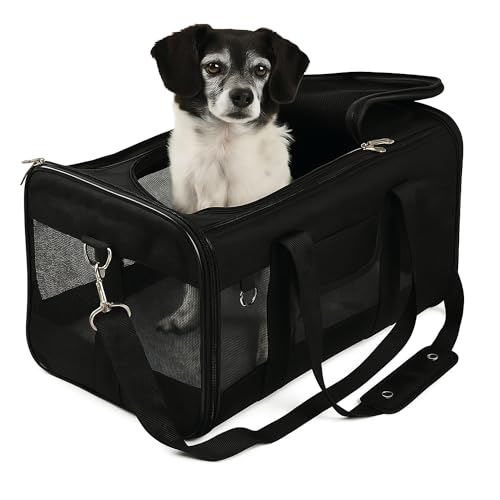
Best for Travel: Sherpa Deluxe Carrier. Airline-approved, padded shoulder strap, and locking zippers for escape-prone DSH.
Best Durable: Petmate Two-Door Top Load Pet Carrier. Hard-sided, chew-proof, and ventilation on three sides; ideal for anxious cats.
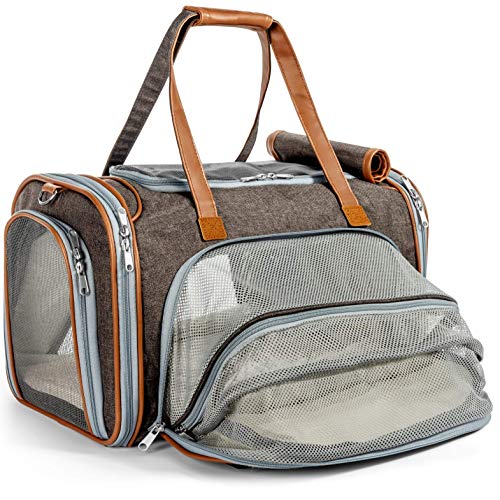
Best Soft-Sided: Mr. Peanut's Gold Medal Carrier. Extra-soft fleece bed, mesh windows, and a seatbelt loop for secure car travel.
Quick answer
Best overall: Sleepypod Air (soft-sided, crash-tested). Best budget: Amazon Basics Two-Door Top-Load. Best for travel: Sherpa Deluxe.
What to consider for a Domestic Shorthair cat
Domestic Shorthairs are sturdy, medium-sized cats that benefit from carriers with good ventilation, easy cleaning (they shed), and secure closures. A top-loading option simplifies vet visits. Ensure the carrier is large enough for your cat to stand and turn around.
How we picked
We evaluated carriers based on safety (crash-test ratings for car travel), comfort (padding, ventilation), ease of cleaning (machine-washable pads), and user reviews from DSH owners. We prioritized models that accommodate 8-12 lb cats comfortably.
Domestic Shorthairs are adaptable but can be anxious in carriers; a top-loading, crash-tested model with a washable pad reduces stress and improves safety.
The Options
Types Explained
Soft-Sided Carriers
Lightweight, collapsible, and often airline-approved.
Best for: Travel and calm cats
Hard-Sided Carriers
Durable, chew-proof, and easy to clean.
Best for: Anxious or escape-prone cats
Backpack Carriers
Hands-free design with ventilation windows.
Best for: Active owners and short trips
Rolling Carriers
Wheeled base for easy transport; some convert to backpack.
Best for: Heavy cats or long distances
The Rankings
Top 5 Picks
#1
Best Overall
Sleepypod Air
View on Amazon
Crash-tested for car safety, machine-washable pad, and folds flat for storage.
Measure your cat's length and height; the carrier should be 1.5 times their size.
02
Safety Features
Look for crash-test certification and seatbelt loops for car travel.
03
Ease of Cleaning
Machine-washable pads and wipeable interiors are essential for shedding DSH.
04
Ventilation
Multiple mesh windows ensure airflow and reduce anxiety.
05
Entry Style
Top-loading carriers are easier for vet visits; front entry suits calm cats.
Living With It
Care, Cost and Maintenance
Cleaning
Wash removable pads weekly; wipe hard surfaces with pet-safe disinfectant.
Storage
Store in a dry place; soft carriers should be kept open to prevent odors.
Inspection
Check zippers, seams, and latches monthly for wear and tear.
Pro tip
Place a familiar blanket or item with your scent inside the carrier to comfort your DSH during travel.
Frequently asked questions
What size carrier does a Domestic Shorthair need?
A carrier that allows your cat to stand, turn, and lie down. For average DSH (8-12 lbs), look for dimensions around 20x13x10 inches.
Are soft-sided carriers safe for car travel?
Only if crash-tested (e.g., Sleepypod). Most soft carriers are not crash-rated; use a harness or hard carrier for safety.
How do I get my DSH used to the carrier?
Leave it open at home with treats and bedding. Gradually increase time inside before trips.
Can I use a carrier for airline travel?
Yes, if it meets airline size requirements and has adequate ventilation. Sherpa Deluxe is a popular choice.
How often should I replace the carrier?
Every 5-7 years or if you notice cracks, broken zippers, or odors that won't come out.
Do I need a top-load or front-load carrier?
Top-load is easier for vet visits; front-load works well for relaxed cats. Both are fine for DSH.
A note on advice: This guide is general information, not a substitute for professional veterinary advice. Talk to your vet before changing your dog's diet or care routine, especially if your dog has allergies, kidney disease, pancreatitis, obesity, heart disease or any other medical condition.
Transparency
How we made this guide
How we chose. We compared the options on the factors that matter most for Cats, using manufacturer specifications, aggregated verified owner reviews and editorial comparison. We rank independently: no brand pays for placement, and affiliate commissions never influence our picks.
How it was written. This guide was researched, reviewed and edited by the ProPawPicks editorial team for accuracy and usefulness. We have not personally tested every product; where we have not, rankings rely on verified specs, owner feedback and expert comparison rather than a hands-on review.
Affiliate disclosure. ProPawPicks is reader-supported. If you buy through links on our site, we may earn a commission at no extra cost to you. See our affiliate disclosure.