Bengal cats need high-protein, low-carb diets like their wild ancestors. Our top pick is Tiki Cat Born Carnivore for optimal health and taurine support.
Some links below are affiliate links. If you buy through them we may earn a small commission at no extra cost to you. Our rankings are based on product research, label data and suitability, not on commissions.
Our Favourite: Tiki Cat Born Carnivore High Protein Dry Cat Food. High protein from multiple meat sources supports Bengal's lean muscle.
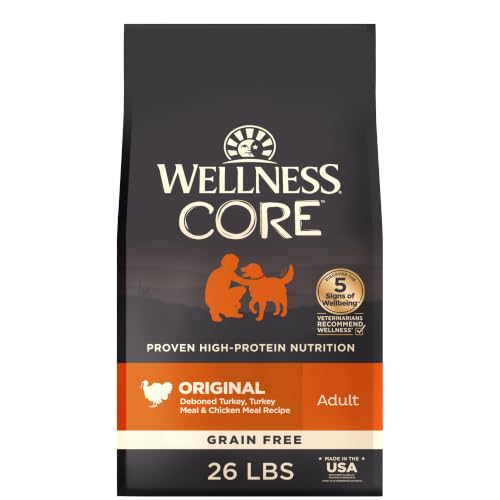
Best Quality: Wellness CORE Adult Dry Dog Food. High protein turkey and chicken with no fillers.
Best on a Budget: Purina ONE Grain Free Natural High Protein Dry Dog Food Formula True. Real chicken first ingredient at a lower price.
Runner-Up: Hill's Science Diet Adult 1-6 Indoor Dry Cat Food. Balanced nutrition for indoor Bengals prone to weight gain.
Best for Fussy Ones: Merrick Backcountry Raw Infused Grain-Free Chicken & Barley. Freeze-dried raw pieces add taste and texture Bengals love.
Bengal Cats are an active, muscular breed with a high metabolism and a strong prey drive. Their diet needs to support lean muscle mass and provide high-quality animal protein. Our editorial team has researched the best options to meet these unique nutritional requirements.
When choosing food for a Bengal, look for high protein content from named meat sources, moderate fat for energy, and taurine for heart and eye health. Avoid excessive fillers and artificial additives.
We found that Bengal cats thrive on high-protein, low-carbohydrate diets that mirror their wild ancestors. Their unique metabolism demands quality animal ingredients and taurine supplementation for long-term health.
The Options
Types Explained
Dry Kibble
Convenient and shelf-stable, dry food helps reduce tartar buildup. Choose high-protein, grain-free formulas for Bengal cats.
Wet Food
Provides moisture for urinary health, which is important for Bengals prone to bladder issues. Higher protein and lower carbs than dry.
Freeze-Dried Raw
Mimics ancestral diet with minimal processing. High in protein and low in carbs. Rehydrate before feeding.
The Rankings
Top 5 Picks
#1
Our Favourite
Tiki Cat Born Carnivore High Protein Dry Cat Food
View on Amazon
High protein from multiple meat sources supports Bengal's lean muscle. Grain-free and low carb matches their ancestral diet.
Bengals need at least 40% protein from animal sources to maintain muscle mass. Look for named meats like chicken, turkey, or fish as first ingredients.
02
Low Carbohydrates
Bengals have a low tolerance for carbs, which can lead to obesity and diabetes. Choose grain-free formulas with no corn, wheat, or soy.
03
Taurine Supplementation
Taurine is essential for heart and eye health. Ensure the food includes added taurine, especially since Bengals may require higher levels.
04
Omega Fatty Acids
Bengals have short, dense coats that benefit from omega-3 and omega-6 for skin health and shine. Look for fish oil or flaxseed.
05
Digestive Health Support
Bengals can have sensitive stomachs. Probiotics and prebiotics like chicory root help maintain gut health.
Living With It
Care, Cost and Maintenance
Feeding Schedule
Feed adult Bengals twice a day to match their high metabolism. Kittens need three to four meals daily. Avoid free-feeding to prevent obesity.
Portion Control
Bengals are active but can overeat. Follow package guidelines and adjust for activity level. A 10-pound Bengal needs about 200-250 calories per day.
Hydration
Bengals often don't drink enough water. Provide wet food or a cat fountain to encourage hydration and prevent urinary issues.
Transitioning Foods
Introduce new food gradually over 7-10 days by mixing increasing amounts with old food. Sudden changes can upset a Bengal's sensitive stomach.
Frequently asked questions
How much should I feed my Bengal cat?
An adult Bengal of 10 pounds typically needs 200-250 calories per day, split into two meals. Adjust based on activity level and body condition. Consult your veterinarian for personalized advice.
Is grain-free food necessary for Bengals?
While not essential for all Bengals, grain-free diets often have higher protein and lower carbs, which suit their metabolism. However, some Bengals do well with grains if they are not sensitive.
Can Bengals eat a raw diet?
Some owners choose raw diets, but they require careful preparation to avoid nutrient imbalances and bacterial contamination. Consult a veterinarian before starting a raw diet.
What ingredients should I avoid in Bengal cat food?
Avoid artificial preservatives like BHA/BHT, excessive fillers like corn and wheat, and by-products of unspecified origin. These provide little nutritional value and may cause allergies.
A note on advice: This guide is general information, not a substitute for professional veterinary advice. Talk to your vet before changing your dog's diet or care routine, especially if your dog has allergies, kidney disease, pancreatitis, obesity, heart disease or any other medical condition.
Transparency
How we made this guide
How we chose. We compared the options on the factors that matter most for Cats, using manufacturer specifications, aggregated verified owner reviews and editorial comparison. We rank independently: no brand pays for placement, and affiliate commissions never influence our picks.
How it was written. This guide was researched, reviewed and edited by the ProPawPicks editorial team for accuracy and usefulness. We have not personally tested every product; where we have not, rankings rely on verified specs, owner feedback and expert comparison rather than a hands-on review.
Affiliate disclosure. ProPawPicks is reader-supported. If you buy through links on our site, we may earn a commission at no extra cost to you. See our affiliate disclosure.