Quick answer
Our top pick for the best cat food for cats with allergies is Hill’s Science Diet Adult Sensitive Stomach & Skin Chicken Recipe. It combines a single animal protein with prebiotic fiber to support digestive health and a healthy skin barrier. For cats with severe allergies, consider a limited ingredient diet like Instinct Limited Ingredient Grain-Free Recipe with Real Rabbit. Always consult your veterinarian before making dietary changes.
What to consider for Cat Food For Cats With Allergies
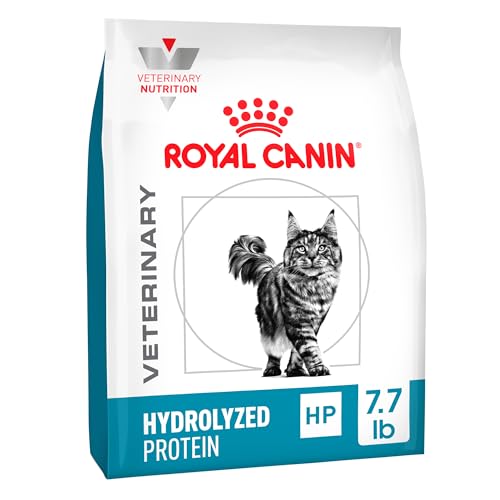
When selecting a cat food for allergies, focus on identifying the allergen source. Common triggers include chicken, beef, dairy, and fish. A limited ingredient diet (LID) with a novel protein (e.g., rabbit, duck, venison) or hydrolyzed protein can help reduce allergic reactions. Also consider the carbohydrate source; some cats react to grains like corn or wheat. Wet food often has fewer preservatives and can be easier to digest. Always transition slowly over 7 to 10 days to avoid gastrointestinal upset.
What to look for in a cat food
Look for an AAFCO statement confirming the food is complete and balanced for your cat’s life stage. The first ingredient should be a named meat source (e.g., chicken, salmon). Ensure adequate animal protein (around 30 to 40% on a dry matter basis) and taurine (essential for heart and eye health). For allergies, a limited ingredient list with a single protein and single carbohydrate source is ideal. Wet food provides extra moisture for urinary health. Choose a formula appropriate for kittens, adults, or seniors.
How we chose these picks
- We analyzed ingredient lists for limited ingredients and novel proteins.
- We prioritized brands with a history of rigorous quality control and AAFCO feeding-data reviews.
- We considered customer feedback on palatability and allergy improvement.
- We evaluated nutritional profiles to ensure they meet feline requirements.
- We selected products across price points and formats (dry, wet, LID).
- We consulted veterinary nutrition guidelines from WSAVA.
- Never ranked a product higher just because it pays a commission.
What to avoid
- Avoid foods with unnamed meats (e.g., “meat meal”) or by-products that could contain allergens.
- Avoid foods with insufficient animal protein or no taurine supplementation.
- Avoid defaulting to an all-life-stages food for a senior or kitten without checking specific needs.
- Avoid abrupt diet switches; always transition slowly to prevent digestive upset.
For more help, explore our cat guides, cat food, and cat health sections.