Quick answer
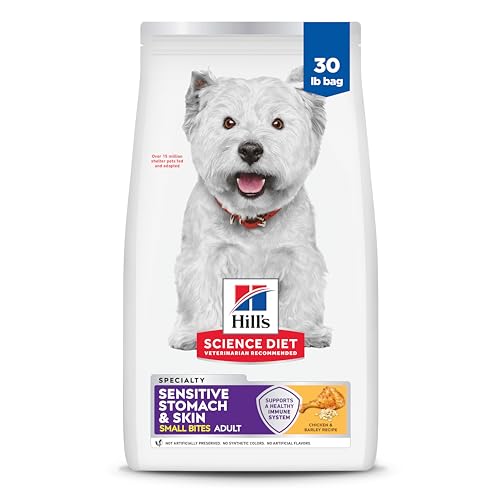
Our top pick is Hill’s Science Diet Adult Sensitive Skin & Stomach, which combines high-quality chicken with omega-6 fatty acids and vitamin E to nourish dry skin. For a budget-friendly wet option, Purina Pro Plan Sensitive Skin & Stomach Salmon & Rice Formula provides excellent hydration and skin support. If your cat prefers grain-free, Wellness CORE Grain-Free Turkey & Chicken Recipe is a strong alternative.
What to consider for Cat Food For Dry Skin
Dry skin in cats often results from inadequate dietary fatty acids, low humidity, or underlying health issues. When choosing a food, prioritize recipes rich in omega-3 and omega-6 fatty acids from named animal fats or fish oils. These nutrients help maintain the skin barrier and reduce flakiness. Also consider moisture content: wet food provides hydration that can improve skin elasticity. Always check for a complete and balanced statement from AAFCO to ensure the food meets nutritional standards for your cat’s life stage.
What to look for in a cat food
First, ensure the food has an AAFCO statement indicating it is complete and balanced for your cat’s life stage (kitten, adult, or senior). Look for a named meat protein source as the first ingredient, such as chicken, salmon, or turkey. Adequate animal protein (typically 30-40% on a dry matter basis) and guaranteed taurine (essential for heart and eye health) are critical. Moisture content matters: wet foods (75-85% moisture) support urinary health and can help with skin hydration. Finally, choose a formula tailored to your cat’s age and any specific conditions like allergies or weight management.
How we chose these picks
- Evaluated ingredient lists for named protein sources and absence of artificial additives.
- Verified AAFCO nutritional adequacy statements for appropriate life stages.
- Prioritized recipes with added omega fatty acids (fish oil, flaxseed) for skin health.
- Considered moisture content, favoring wet or mixed feeding options for hydration.
- Reviewed brand reputation and history of quality control.
- Selected products across price points to suit different budgets.
- Checked for positive customer feedback on palatability and skin improvement.
- Never ranked a product higher just because it pays a commission.
What to avoid
- Foods with unnamed meat sources or by-products as the first ingredient.
- Recipes with insufficient animal protein (less than 30% dry matter) or lacking taurine.
- All-life-stages formulas for kittens or seniors without verifying specific nutrient levels.
- Abrupt diet changes; always transition over 7 to 10 days to avoid digestive upset.
For more on cat care, visit our cat guides, cat food, and cat health resources.


