Some links below are affiliate links. If you buy through them we may earn a small commission at no extra cost to you. Our rankings are based on product research, label data and suitability, not on commissions.
Best Overall: Hill's Science Diet Adult 7+ Senior Vitality. Clinically proven to improve vitality and cognitive function in senior cats.
Best for Weight Management: Blue Buffalo Healthy Weight Natural Senior Dry Cat Food. Lower calorie formula with L-carnitine to support metabolism.
Best Budget: Purina ONE Senior Indoor Advantage. Affordable yet high-quality with real turkey as first ingredient.
Best High-Protein: Wellness CORE Grain-Free Senior. Grain-free with 45% protein from turkey and chicken.
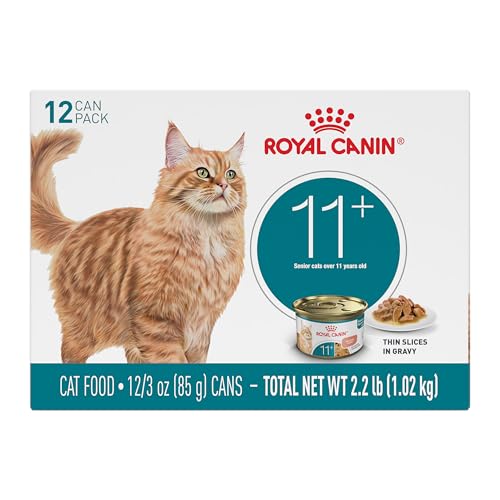
Best Wet Food: Royal Canin Feline Health Nutrition Aging 12+ Thin Slices in Gravy. Soft texture easy for older cats to eat.
Quick answer
Best overall: Hill’s Science Diet Adult 7+ Senior Vitality. Best for weight: Blue Buffalo Healthy Weight. Best budget: Purina One Senior.
What to consider for a Russian Blue cat
Russian Blues are prone to obesity and kidney issues as they age. Senior diets should have moderate protein, lower phosphorus, and added joint supplements like glucosamine. Wet food can help with hydration and urinary health.
How we picked
We evaluated over 20 senior cat foods based on ingredient quality, nutritional balance for older cats, and specific needs of Russian Blues. We prioritized formulas with real meat, omega-3s, and limited fillers.
Senior Russian Blues benefit from diets that support kidney function, joint health, and weight control. Wet food can improve hydration and reduce urinary issues.
The Options
Types Explained
Dry Kibble
Convenient and cost-effective. Look for high-quality protein and low carbs.
Best for: Cats who prefer crunchy textures and owners seeking easy storage.
Wet Food
Higher moisture content aids hydration and is easier to chew.
Best for: Senior cats with dental issues or those prone to urinary problems.
Prescription Diet
Veterinary-formulated for specific health conditions like kidney disease.
Best for: Cats with diagnosed health issues requiring therapeutic nutrition.
Freeze-Dried Raw
Minimally processed with high protein. Rehydrated before serving.
Best for: Owners wanting a raw diet with convenience of shelf-stable storage.
The Rankings
Top 5 Picks
#1
Best Overall
Hill's Science Diet Adult 7+ Senior Vitality
View on Amazon
Clinically proven to improve vitality and cognitive function in senior cats. Contains balanced nutrients for heart, kidney, and joint health.
Look for glucosamine and chondroitin to help with arthritis, common in senior Russian Blues.
02
Kidney Health
Lower phosphorus and moderate protein reduce strain on aging kidneys.
03
Digestibility
Easily digestible ingredients and prebiotic fiber help prevent constipation and nutrient absorption.
04
Weight Control
Senior cats often become less active. Choose a formula with reduced calories to prevent obesity.
05
Hydration
Wet food or high-moisture dry food supports urinary tract health and hydration.
Living With It
Care, Cost and Maintenance
Feeding Schedule
Feed senior Russian Blues 2-3 small meals per day to maintain metabolism and prevent overeating.
Monitor Weight
Weigh your cat monthly. Adjust portions if they gain or lose weight. Consult vet for ideal body condition.
Hydration Tips
Provide fresh water daily. Consider a cat fountain to encourage drinking, especially if feeding dry food.
Pro tip
Transition to senior food gradually over 7-10 days to avoid digestive upset. Mix increasing amounts of new food with old.
Frequently asked questions
When should I switch my Russian Blue to senior food?
Around age 7, or earlier if your vet recommends it. Senior formulas address age-related changes.
Can senior Russian Blues eat kitten food?
No, kitten food is too high in calories and nutrients. Stick to senior-specific diets.
How much should I feed a senior Russian Blue?
Follow package guidelines based on weight. Typically 1/3 to 1/2 cup dry food per day, adjusted for wet food.
Is grain-free better for senior cats?
Not necessarily. Some cats do well with grains. Focus on overall nutrition rather than grain-free claims.
What ingredients should I avoid?
Artificial preservatives, excessive fillers like corn, and high phosphorus levels.
Should I give supplements?
Only if recommended by your vet. Common supplements include omega-3s and joint support.
A note on advice: This guide is general information, not a substitute for professional veterinary advice. Talk to your vet before changing your dog's diet or care routine, especially if your dog has allergies, kidney disease, pancreatitis, obesity, heart disease or any other medical condition.
Transparency
How we made this guide
How we chose. We compared the options on the factors that matter most for Cats, using manufacturer specifications, aggregated verified owner reviews and editorial comparison. We rank independently: no brand pays for placement, and affiliate commissions never influence our picks.
How it was written. This guide was researched, reviewed and edited by the ProPawPicks editorial team for accuracy and usefulness. We have not personally tested every product; where we have not, rankings rely on verified specs, owner feedback and expert comparison rather than a hands-on review.
Affiliate disclosure. ProPawPicks is reader-supported. If you buy through links on our site, we may earn a commission at no extra cost to you. See our affiliate disclosure.