Quick answer
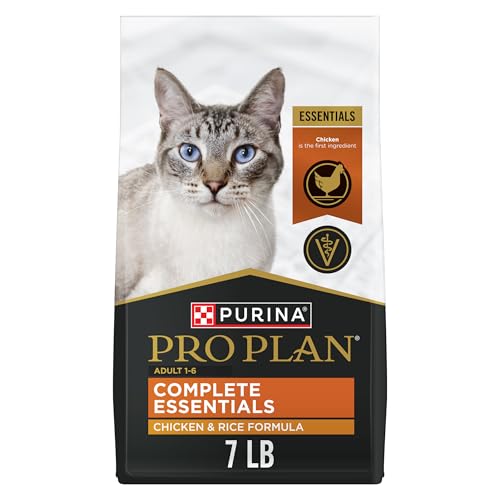
Our top pick is Wellness CORE Grain-Free Original Turkey & Chicken Recipe for its high animal protein, moderate fat, and AAFCO complete nutrition for adult maintenance. For cats with sensitive stomachs, try Blue Buffalo Basics Limited Ingredient Diet. Budget-conscious owners can choose Purina Pro Plan Grain-Free Chicken & Egg Recipe. Kittens need the extra calories in Wellness CORE Grain-Free Kitten Formula. For a moisture-rich option, Tiki Cat After Dark Grain-Free Wet Food is excellent.
What to consider for Cat Food Without Grains
Grain-free cat food replaces grains like corn, wheat, and rice with alternative carbohydrates such as potatoes, peas, or lentils. This may be beneficial for cats with grain allergies or sensitivities, but it is not inherently healthier for all cats. The primary concern is ensuring the food is nutritionally balanced and contains adequate taurine, an essential amino acid for cats. Some grain-free diets have been linked to dilated cardiomyopathy (DCM) in dogs, but the risk in cats appears lower; still, consult your veterinarian before switching. Look for named meat sources as the first ingredient and avoid excessive carbohydrate content.
What to look for in a cat food
First, verify the food meets AAFCO nutrient profiles for your cat’s life stage (kitten, adult, senior). The first ingredient should be a named animal protein (e.g., chicken, salmon). Cats require high levels of animal protein and taurine, which must be supplemented if not naturally present. Wet food provides moisture that supports urinary health, while dry food is convenient and helps with dental health. Choose a food appropriate for your cat’s age, health conditions (e.g., kidney disease, obesity), and activity level. Always transition gradually over 7 to 10 days.
How we chose these picks
- Evaluated ingredient lists for named meat as first ingredient and absence of grains.
- Checked AAFCO nutritional adequacy statements for the correct life stage.
- Reviewed guaranteed analysis for protein, fat, and fiber content.
- Considered brand reputation and manufacturing quality standards.
- Read customer feedback on palatability and digestive tolerance.
- Assessed price per pound or per serving for value.
- Prioritized products with transparent sourcing and no artificial additives.
- Never ranked a product higher just because it pays a commission.
What to avoid
- Avoid foods where the first ingredient is a grain or plant protein (e.g., corn gluten meal).
- Steer clear of recipes that do not list taurine supplementation or have low animal protein.
- Do not assume an all-life-stages food is ideal for kittens or seniors without checking specific nutrient levels.
- Never abruptly switch your cat’s diet; always transition slowly to avoid digestive upset.
For more guidance, explore our cat guides, cat food, and cat health resources.