Quick answer
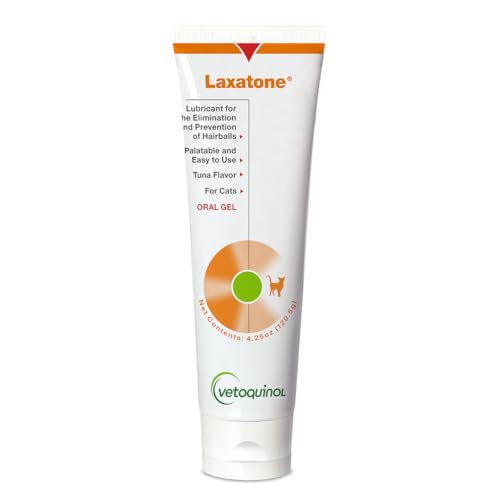
Our top pick for a travel-friendly cat hairball gel is Tomlyn Laxatone Hairball Relief Gel. It comes in a small, easy-to-pack tube and is widely accepted by cats. For a budget-friendly option, Petrodex Hairball Gel offers similar efficacy in a slightly larger tube. If your cat prefers a tuna flavor, Vetoquinol Lax’aire Hairball Gel is a great alternative.
What to consider for Cat Hairball Gel For Travel
When choosing a hairball gel for travel, portability is key. Look for tubes that are compact, leak-proof, and easy to administer on the go. The gel should be palatable to ensure your cat will eat it even in a new environment. Also consider the ingredients: petroleum-based gels are common, but some cats do better with natural lubricants like mineral oil or psyllium. Always check the dosage instructions and whether the gel can be given directly or mixed with food.
What to look for in a cat grooming tool or toy
For a hairball gel, the main considerations are safety and ease of use. Ensure the gel is free from artificial colors and preservatives that might upset your cat’s stomach. The texture should be smooth and not too sticky. Look for a gel that contains omega-3 fatty acids or other skin and coat conditioners. For travel, a tube with a narrow tip allows for precise dosing. Also, consider the flavor: many cats prefer malt or tuna flavors. Avoid gels with xylitol or other artificial sweeteners.
How we chose these picks
- Evaluated product specifications for portability and ease of use during travel.
- Reviewed ingredient lists for safety and effectiveness in hairball control.
- Considered palatability based on common cat preferences and flavor options.
- Checked for leak-proof packaging and tube size suitable for carry-on.
- Compared price per ounce to ensure value for money.
- Consulted established veterinary guidance on hairball remedies.
- Never ranked a product higher just because it pays a commission.
What to avoid
- Avoid gels with artificial sweeteners like xylitol, which is toxic to cats.
- Do not use human laxatives or petroleum jelly not labeled for cats.
- Steer clear of gels with strong artificial flavors that may deter picky eaters.
- Never give more than the recommended dosage, as overuse can cause diarrhea.
- Avoid products with unclear expiration dates or damaged packaging.
For more cat care tips, visit our cat guides, cat health, and cat care products sections.