Quick answer
The PetSafe ScoopFree Self-Cleaning Litter Box is our top pick for playful cats because it automatically rakes waste into a covered compartment, reducing mess and odor. It also offers a spacious design that active cats appreciate. For those seeking a more budget-friendly option, the Frisco High-Sided Cat Litter Box provides ample room and high walls to contain energetic digging.
What to consider for Cat Litter Box For Playful Cats
Playful cats are often more active and may kick litter, dig vigorously, or even jump in and out of the box. When choosing a litter box, consider size (larger boxes prevent overflow), height of sides (to contain litter scatter), and durability (sturdy plastic that won’t crack). Self-cleaning options can help maintain cleanliness, which is important for cats that are particular about hygiene. Also, consider the litter type; unscented, low-dust clumping litter is often best for sensitive respiratory systems.
What to look for in a cat litter or litter-area product
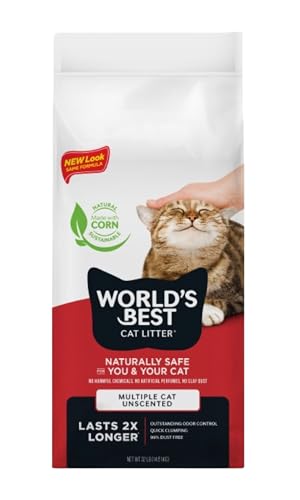
Strong clumping and odor control are essential to keep the area fresh. Low-dust formulas protect feline airways, especially for active cats that stir up litter. Low tracking reduces mess around the box. For multi-cat households, choose a litter that handles multiple users. An unscented option is ideal for sensitive cats who may avoid strong fragrances.
How we chose these picks
- Researched top-rated products on Amazon and pet retailer sites.
- Evaluated based on customer reviews, focusing on feedback from owners of playful cats.
- Considered product dimensions and suitability for active cats.
- Prioritized brands with a reputation for quality and durability.
- Looked for features that address common issues like litter tracking and odor.
- Compared price points to offer options for different budgets.
- Never ranked a product higher just because it pays a commission.
What to avoid
- Heavily scented litters that may deter cats from using the box.
- High-dust clay litters that can aggravate breathing issues in active cats.
- Too small a box or too few boxes for the number of cats (rule: one box per cat plus one extra).
- Sudden litter changes; transition gradually over a week to avoid aversion.
For more guidance, explore our cat guides and check out cat food and cat care products.