Quick answer
Our top pick is the PetSafe ScoopFree Self-Cleaning Litter Box because it automatically removes waste, reducing odor and keeping the box fresh for your Ragdoll kitten. It also has a low entry for easy access. For a budget-friendly option, the Frisco High Sided Cat Litter Box offers high sides to contain mess and is spacious enough for growing kittens.
What to consider for Cat Litter Box For Ragdoll Kittens
Ragdoll kittens grow quickly, often reaching 10 to 20 pounds as adults. Choose a box that is large enough for them to turn around comfortably. Low entry sides help tiny kittens enter easily, while high sides prevent litter scatter as they grow. Consider a self-cleaning model to maintain cleanliness, as Ragdolls are known for their fastidious nature. Also, look for a box with a smooth interior to avoid trapping odors and make cleaning easier.
What to look for in a cat litter or litter-area product
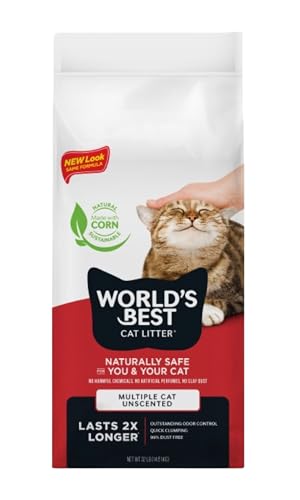
When selecting a litter box for your Ragdoll kitten, prioritize strong clumping and odor control to keep the area fresh. Low dust is crucial for your kitten’s developing respiratory system. Look for low-tracking formulas to minimize mess around the house. If you have multiple cats, choose a litter that performs well in multi-cat households. Unscented options are best for sensitive kittens who may be put off by strong fragrances.
How we chose these picks
- Evaluated product dimensions to ensure they accommodate Ragdoll kittens’ growth.
- Reviewed customer feedback on ease of entry and exit for young kittens.
- Considered odor control and self-cleaning features for busy pet parents.
- Assessed material quality and durability for long-term use.
- Checked for low-dust and unscented options to protect sensitive airways.
- Compared price points to offer options for various budgets.
- Never ranked a product higher just because it pays a commission.
What to avoid
- Heavily scented litters that can deter kittens from using the box.
- High-dust clay litters that may cause respiratory issues in young cats.
- A box that is too small or too few boxes for the number of cats (rule of thumb: one box per cat plus one extra).
- Sudden litter changes; gradually mix new litter with old to avoid aversion.
For more tips, explore our cat guides, cat food, and cat care products.