Quick answer
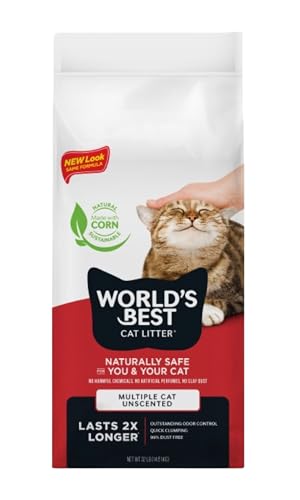
The best cat litter box for sensitive paws is the Dr. Elsey’s Precious Cat Ultra Unscented Clay Litter. Its fine, soft texture and low-dust formula are gentle on paws while providing excellent odor control. For a natural alternative, World’s Best Cat Litter Multiple Cat Unscented offers a soft, plant-based option. If you prefer a self-cleaning box, the PetSafe ScoopFree Ultra Self-Cleaning Litter Box with crystal litter reduces paw irritation by eliminating scooping.
What to consider for Cat Litter Box For Sensitive Paws
Cats with sensitive paws may avoid the litter box if the litter is too rough, dusty, or scented. Look for litters with fine, soft granules (such as clumping clay or natural plant-based options) that are low-dust to prevent respiratory irritation. Unscented formulas are best, as fragrances can be overwhelming. The box itself should have smooth edges and a low entry for easy access. Consider a self-cleaning box to reduce the need for your cat to step on soiled litter.
What to look for in a cat litter or litter-area product
Strong clumping and odor control are essential to keep the box fresh and reduce the need for frequent changes. Low-dust formulas protect feline airways, especially for cats with asthma or allergies. Low-tracking designs minimize litter scatter, keeping the area clean. For multi-cat households, choose a litter that can handle multiple cats without breaking down. Always opt for an unscented option to avoid deterring sensitive cats.
How we chose these picks
- We evaluated litter texture and particle size for paw comfort.
- We prioritized low-dust and unscented formulas to minimize irritation.
- We considered clumping ability and odor control based on manufacturer claims and customer feedback.
- We included options for different budgets and preferences (clay, natural, self-cleaning).
- We checked for safety certifications or natural ingredients where applicable.
- We reviewed product dimensions and entry height for accessibility.
- Never ranked a product higher just because it pays a commission.
What to avoid
- Heavily scented litters that can put cats off the box or cause respiratory issues.
- High-dust clay litters that may aggravate breathing problems in cats.
- A box that is too small or too few boxes for the number of cats; follow the rule of one box per cat plus one extra.
- Sudden litter changes; transition gradually over a week to avoid litter box aversion.
For more tips, check out our cat guides, cat food, and cat care products.