Quick answer
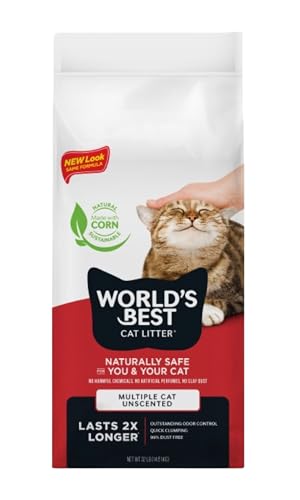
For most cats in small homes, our top pick is Dr. Elsey’s Precious Cat Ultra Unscented Clumping Clay Litter. It provides excellent odor control and strong clumping in a low-dust formula that won’t overwhelm tight spaces. If you prefer a natural option, World’s Best Cat Litter Multiple Cat Unscented is a close runner-up with great clumping and flushable convenience.
What to consider for Cat Litter For Cats In Small Homes
Small homes amplify litter box challenges. Odor control is paramount because there’s less ventilation and distance from living areas. Tracking becomes a bigger issue as litter can scatter into limited floor space. Dust can linger in enclosed rooms, affecting both cats and humans. You’ll also want a litter that works well with a smaller box, often placed in a closet or corner, so clumping strength and ease of scooping are key. Consider unscented options to avoid overwhelming sensitive noses in confined quarters.
What to look for in a cat litter or litter-area product
Strong clumping and odor control are essential to keep small spaces fresh. Low dust protects feline airways, especially in poorly ventilated areas. Low tracking reduces mess around the box. If you have multiple cats, multi-cat formulas help manage increased waste. An unscented option is best for sensitive cats and to avoid artificial smells in tight spaces.
How we chose these picks
- Evaluated odor control claims based on ingredient transparency and customer feedback.
- Compared clumping ability using established criteria like hardness and scoopability.
- Assessed dust levels from manufacturer specifications and independent reviews.
- Considered tracking reduction features such as larger particle sizes or added weight.
- Checked suitability for small spaces, including box size compatibility and packaging.
- Prioritized unscented or lightly scented options to minimize respiratory irritation.
- Never ranked a product higher just because it pays a commission.
What to avoid
- Heavily scented litters that can deter cats from using the box in a small home.
- High-dust clay litters that may aggravate breathing issues for cats and people.
- A litter box that’s too small or too few boxes for the number of cats, leading to accidents.
- Sudden litter changes; always transition gradually over a week to avoid litter box aversion.
For more cat care tips, check our cat guides, cat food reviews, and cat care products.