Quick answer
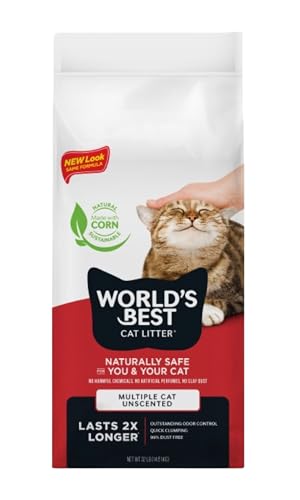
For cats that chew cords, we recommend Dr. Elsey’s Precious Cat Ultra Unscented Clay Litter as the best overall pick. Its hard clumping and low dust reduce respiratory irritation that might trigger chewing. If your cat prefers a plant-based option, World’s Best Cat Litter Multiple Cat Unscented is a close runner-up with excellent odor control and minimal tracking.
What to consider for Cat Litter For Cats That Chew Cords
Cats that chew cords often have underlying issues like boredom, stress, or pica. While litter choice alone won’t stop the behavior, selecting a low-dust, unscented litter can help reduce respiratory irritation that may contribute to stress. Also, a litter with low tracking keeps the area cleaner, reducing the chance your cat ingests litter particles while grooming. Always consult a veterinarian if chewing persists.
What to look for in a cat litter or litter-area product
Strong clumping and odor control are essential to keep the box inviting. Low dust is critical for cats with respiratory sensitivities, as dust can exacerbate coughing or sneezing that might lead to chewing. Low tracking minimizes scatter, keeping floors clean. For multi-cat households, choose a litter that handles multiple users without odor breakthrough. Unscented options are best for sensitive cats, as strong fragrances can deter use.
How we chose these picks
- Evaluated clumping strength and odor control based on manufacturer claims and customer feedback.
- Prioritized low-dust formulas to support feline respiratory health.
- Considered tracking levels and included options with larger granules or natural materials.
- Selected products from reputable brands with transparent ingredient lists.
- Included both clay and plant-based litters to suit different preferences.
- Ensured each pick is widely available on Amazon for convenience.
- Never ranked a product higher just because it pays a commission.
What to avoid
- Heavily scented litters that may deter cats from using the box, leading to stress and inappropriate elimination.
- High-dust clay litters that can aggravate breathing issues and potentially trigger chewing.
- A box that is too small or too few boxes for the number of cats, which can cause litter box aversion.
- Sudden litter changes; always transition gradually over a week to avoid upset.
For more tips, explore our cat guides, cat food, and cat care products.