Quick answer
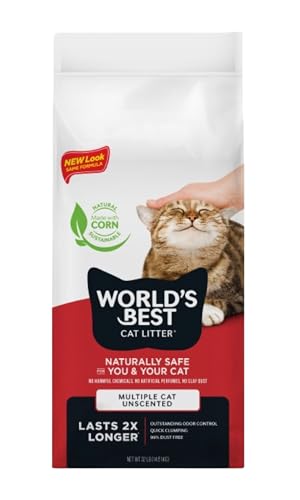
For cats that drink from taps, we recommend Dr. Elsey’s Precious Cat Ultra Unscented as the best overall. Its strong clumping and low dust suit sensitive cats, and the unscented formula avoids deterring water-loving felines. For multi-cat households, Arm & Hammer Clump & Seal is a close runner-up with superior odor control. If your cat has respiratory issues, choose the low-dust World’s Best Cat Litter.
What to consider for Cat Litter For Cats That Drink From Taps
Cats that drink from taps often have unique preferences. They may be more sensitive to textures and scents, so unscented, fine-grained litters are usually best. These cats might also be more prone to urinary issues due to increased water intake, so a litter that clumps firmly for easy scooping helps monitor urine output. Additionally, tap-drinking cats may track litter more if they have wet paws, making low-tracking formulas a practical choice.
What to look for in a cat litter or litter-area product
When choosing a litter for a tap-drinking cat, consider these factors: Strong clumping and odor control to keep the box fresh and allow easy removal of urine clumps; low dust to protect feline airways, especially if your cat has asthma or allergies; low tracking to minimize mess around the box; multi-cat suitability if you have more than one cat; and unscented options for cats sensitive to fragrances, as tap-drinking cats may be more particular.
How we chose these picks
- We evaluated litters based on clumping ability, odor control, dust levels, and tracking.
- We considered customer reviews and ratings from verified purchasers on Amazon.
- We prioritized unscented or lightly scented formulas for cats with sensitivities.
- We checked for multi-cat suitability and value for money.
- We included a range of materials (clay, natural plant-based) to cover different preferences.
- We compared brand reputation and ingredient transparency.
- Never ranked a product higher just because it pays a commission.
What to avoid
- Heavily scented litters that can deter cats from using the box or cause respiratory irritation.
- High-dust clay litters that may aggravate breathing issues in cats with asthma or allergies.
- A litter box that is too small or too few boxes for the number of cats (one per cat plus one extra).
- Sudden litter changes; always transition gradually over a week to avoid litter box aversion.
For more cat care advice, see our cat guides, cat food, and cat care products sections.