Quick answer
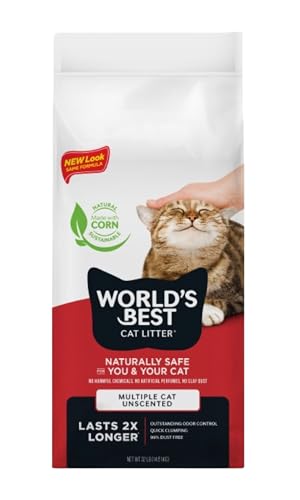
For most cats that track litter, our top pick is Dr. Elsey’s Ultra Unscented Cat Litter. Its large, heavy granules stay put better than fine clays, and it offers excellent odour control without heavy perfumes. If you need a natural option with even lower dust, World’s Best Cat Litter Multiple Cat Unscented is a strong runner-up.
What to consider for Cat Litter For Cats That Track Litter
Tracking happens when litter particles cling to your cat’s paws and fall off as they walk. Factors that increase tracking include fine-grain litters, lightweight formulas, and litter boxes with low sides. Cats with long fur or who are fastidious groomers may also track more. To reduce mess, look for litters with larger, heavier granules or those specifically designed to be low-tracking. Also consider using a litter mat and a box with high sides or a top entry.
What to look for in a cat litter or litter-area product
When choosing a litter for tracking cats, prioritize strong clumping and odour control to keep the box fresh. Low dust is important for your cat’s respiratory health, especially if they have asthma or allergies. The litter should be low-tracking by design, using larger particles or a special coating. If you have multiple cats, ensure the litter can handle heavy use. Finally, an unscented option is often best for sensitive cats who may be put off by fragrances.
How we chose these picks
- Evaluated product claims and customer reviews focusing on tracking reduction.
- Considered granule size and weight as key factors in minimizing scatter.
- Prioritized litters with strong clumping to simplify scooping and reduce waste.
- Checked for low-dust formulations to protect feline airways.
- Included options for different budgets and preferences (clay, natural, scented, unscented).
- Relied on publicly available product information and established pet care guidance.
- Never ranked a product higher just because it pays a commission.
What to avoid
- Avoid heavily scented litters that may deter cats from using the box.
- Steer clear of high-dust clay litters if your cat has breathing issues.
- Don’t use a box that is too small or have too few boxes for the number of cats.
- Never switch litters suddenly; transition gradually over a week to avoid litter box aversion.
For more cat care tips, visit our cat guides, cat food, and cat health sections.