Quick answer
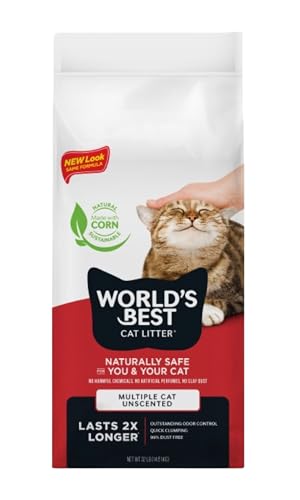
The best cat litter for cats with asthma is Dr. Elsey’s Ultra Unscented Clay Litter, which is virtually dust-free and fragrance-free. For a natural alternative, World’s Best Cat Litter Multiple Cat Unscented offers excellent odor control without respiratory irritants. Each pick on our list prioritizes low dust and no perfumes.
What to consider for Cat Litter For Cats With Asthma
Asthmatic cats have sensitive airways that can be triggered by dust, fragrances, and chemical additives. The litter should be low-dust or dust-free, unscented, and made from materials that do not produce airborne particles when disturbed. Clumping ability is still important for easy cleaning, but the clumps must not break apart into dust. Also consider the litter’s weight and tracking, as heavy or high-tracking litter can be harder to manage and may increase dust in the home.
What to look for in a cat litter or litter-area product
When choosing a litter for an asthmatic cat, look for strong clumping and odor control to minimize ammonia fumes, which can also irritate airways. Low dust is critical; opt for litters labeled as 99% dust-free or hypoallergenic. Low tracking reduces the spread of particles around the house. For multi-cat households, ensure the litter can handle multiple cats without breaking down. Always choose an unscented option, as artificial fragrances can trigger asthma attacks.
How we chose these picks
- Evaluated litter based on dust levels, using manufacturer claims and independent reviews.
- Prioritized unscented or naturally scented options to avoid respiratory triggers.
- Considered clumping ability and odor control for practical daily use.
- Checked for low-tracking designs to minimize household dust.
- Selected products from reputable brands with proven safety records.
- Included a range of materials (clay, plant-based) to suit different preferences.
- Reviewed customer feedback specifically from owners of asthmatic cats.
- Never ranked a product higher just because it pays a commission.
What to avoid
- Heavily scented litters that can put cats off the box and irritate airways.
- High-dust clay litters that create airborne particles when poured or scratched.
- A box that is too small or too few boxes for the number of cats, leading to stress and avoidance.
- Sudden litter changes; always transition gradually over a week to avoid respiratory upset.
For more tips, explore our cat guides, cat health, and cat care products sections.