Quick answer
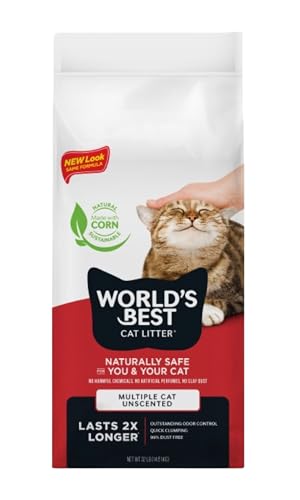
Our top pick is Dr. Elsey’s Precious Cat Ultra Unscented Clay Clumping Litter. It offers superior odor control and hard clumping essential for dry food diets. For low-dust needs, try Arm & Hammer Slide Easy Clean. World’s Best Cat Litter is a great natural alternative, though it may not clump as firmly.
What to consider for Cat Litter For Dry Food Diets
Dry food diets often lead to more concentrated urine with higher ammonia levels, making odor control critical. Cats may also produce firmer stools, so a litter that clumps tightly and traps smell is key. Additionally, some cats on dry food are prone to urinary issues, so a low-dust, unscented litter reduces respiratory irritation. Consider your cat’s sensitivity and your odor tolerance.
What to look for in a cat litter or litter-area product
Strong clumping and odor control are non-negotiable for dry food diets. Look for litters that form hard, scoopable clumps that don’t break apart. Low dust is important for feline airways, especially if your cat has asthma or allergies. Low tracking helps keep your home clean. For multi-cat households, choose a litter that can handle multiple cats’ waste without losing effectiveness. Unscented options are best for sensitive cats, as artificial fragrances can deter them from using the box.
How we chose these picks
- Evaluated clumping ability and odor control based on product specifications and customer reviews.
- Prioritized low-dust formulations to protect cats with respiratory sensitivities.
- Considered tracking levels and ease of cleanup.
- Included options for single and multi-cat households.
- Selected products from reputable brands with proven safety records.
- Compared price per pound for value.
- Never ranked a product higher just because it pays a commission.
What to avoid
- Heavily scented litters: strong perfumes can put cats off the box, leading to avoidance.
- High-dust clay litters: fine particles can aggravate breathing issues in cats.
- A box too small or too few boxes: for multiple cats, follow the rule of one box per cat plus one extra.
- Sudden litter changes: gradually mix new litter with old over a week to avoid litter box aversion.
For more tips, explore our cat guides, cat food, and cat health resources.