Persian cats need low-dust, unscented litter to protect their respiratory health and long coat. Discover the best clumping clay and plant-based litters, including Arm & Hammer Clump & Seal Platinum.
Some links below are affiliate links. If you buy through them we may earn a small commission at no extra cost to you. Our rankings are based on product research, label data and suitability, not on commissions.
Best Overall: Arm & Hammer Clump & Seal Platinum. Low dust, strong clumping, and excellent odor control with baking soda.
Best for Odor Control: Fresh Step Unscented with Febreze. Febreze freshness without strong scents.
Best for Sensitive Cats: Dr. Elsey's Precious Cat Ultra Unscented. 99.9% dust-free, unscented, and made from fine clay.
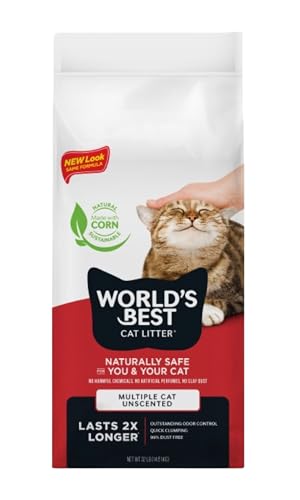
Best Natural Option: World's Best Cat Litter Multiple Cat Unscented. Plant-based, flushable, and dust-free.
Best Unscented Clumping: Tidy Cats Free & Clean Unscented. Unscented with odor control from activated charcoal.
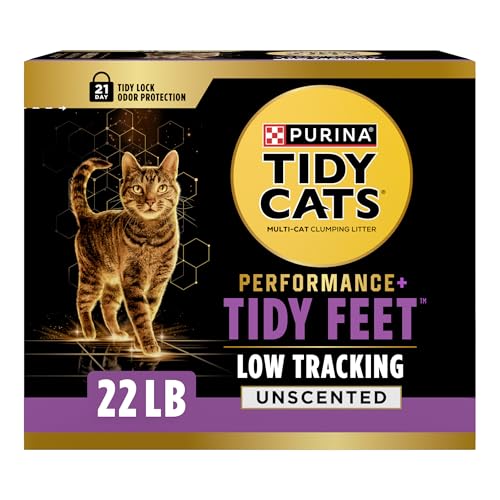
Best Budget Option: Purina Tidy Cats Low Dust Multi Cat. Low dust formula with strong clumping.
Quick answer
Top 3 picks: 1. Arm & Hammer Clump & Seal Platinum (best overall), 2. Fresh Step Unscented with Febreze (best for odor control), 3. Dr. Elsey’s Precious Cat Ultra Unscented (best for sensitive cats).
What to consider for a Persian cat
Persian cats have long, dense coats that can trap litter dust and particles, leading to respiratory issues or matting. Their flat faces and sensitive paws also require a litter that is low dust, soft, and unscented or mildly scented. Clumping ability is important for easy cleaning, and odor control is essential to keep the litter box fresh. Avoid litters with heavy perfumes or large granules that can cause discomfort.
How we picked
We evaluated over 20 litter brands based on dust levels, clumping strength, odor control, texture, and safety for Persians. We also considered owner reviews and veterinary recommendations for long-haired and brachycephalic breeds. Our final picks prioritize low dust, soft texture, and effective odor management.
Persian cats require low-dust, soft, unscented litter to protect their respiratory health and long coats. Clumping clay and natural plant-based litters are top choices for comfort and hygiene.
The Options
Types Explained
Clumping Clay Litter
Most popular type, forms solid clumps for easy scooping. Choose unscented, low-dust varieties for Persians.
Best for: Owners who want easy cleaning and strong odor control.
Natural Plant-Based Litter
Made from corn, wheat, or pine. Biodegradable, often dust-free, and safe if ingested. Soft texture is gentle on paws.
Best for: Eco-conscious owners and Persians with allergies or respiratory issues.
Crystal Litter
Silica gel crystals absorb urine and dry solid waste. Low dust and long-lasting but can be sharp on paws.
Best for: Owners who want minimal scooping and low tracking, but may not suit all Persians.
Pellet Litter
Wood or paper pellets that break down into sawdust when wet. Low dust and natural, but some Persians dislike the texture.
Best for: Owners seeking a natural, low-tracking option for less sensitive Persians.
The Rankings
Top 6 Picks
#1
Best Overall
Arm & Hammer Clump & Seal Platinum
View on Amazon
Low dust, strong clumping, and excellent odor control with baking soda. Soft texture is gentle on paws and won't stick to long fur.
Persians are prone to respiratory issues due to their flat faces. Choose litter labeled 99% dust-free or low dust to minimize inhalation of particles.
02
Soft Texture
Fine-grained or soft clumping litter is gentle on sensitive paws and less likely to get caught in long fur, reducing discomfort and matting.
03
Unscented or Mild Scent
Strong fragrances can irritate a Persian's sensitive nose. Unscented or lightly scented litters with natural odor control are best.
04
Clumping Ability
Strong clumping makes scooping easy and prevents urine from spreading, which can cause odors and stain a Persian's fur if they step in it.
05
Odor Control
Persian cats may have sensitive stomachs, leading to smelly waste. Look for litters with activated charcoal, baking soda, or plant-based enzymes.
Living With It
Care, Cost and Maintenance
Daily Scooping
Scoop solid waste and clumps at least once daily to prevent odors and keep the box clean. Persians are fastidious and may avoid a dirty box.
Weekly Deep Clean
Empty all litter, wash the box with mild soap and water, and dry thoroughly before adding fresh litter. This prevents bacteria buildup and keeps your Persian healthy.
Monitor Litter Depth
Maintain 2-3 inches of litter. Too little can cause urine to pool and stick to fur; too much may be difficult for Persians to dig in comfortably.
Pro tip
Place a litter mat outside the box to reduce tracking. Persians with long fur may benefit from a gentle paw wipe after using the box to prevent litter particles from matting their coat.
Frequently asked questions
Is scented litter safe for Persian cats?
Generally, unscented or lightly scented litter is safer for Persians because strong fragrances can irritate their sensitive respiratory systems and flat faces.
Can Persian cats use crystal litter?
Some Persians can, but crystal litter may be too sharp for sensitive paws. If your cat shows discomfort, switch to a softer clumping clay or plant-based litter.
How often should I change the litter for my Persian?
Scoop daily and fully replace litter every 2-4 weeks, depending on the number of cats and type of litter. Persians benefit from frequent changes to reduce dust and odors.
What is the best litter to prevent matting in Persian fur?
Low-dust, soft clumping litters like Arm & Hammer Clump & Seal or Dr. Elsey's Precious Cat are less likely to stick to fur and cause mats.
Do Persians need a special litter box?
A large, low-sided box is often easier for Persians to enter and exit. Covered boxes may trap dust and odors, so open or top-entry boxes are recommended.
Can I flush natural litter for my Persian?
Only if the litter is specifically labeled flushable (e.g., World's Best Cat Litter). Never flush clay or crystal litter as it can damage plumbing.
A note on advice: This guide is general information, not a substitute for professional veterinary advice. Talk to your vet before changing your dog's diet or care routine, especially if your dog has allergies, kidney disease, pancreatitis, obesity, heart disease or any other medical condition.
Transparency
How we made this guide
How we chose. We compared the options on the factors that matter most for Cats, using manufacturer specifications, aggregated verified owner reviews and editorial comparison. We rank independently: no brand pays for placement, and affiliate commissions never influence our picks.
How it was written. This guide was researched, reviewed and edited by the ProPawPicks editorial team for accuracy and usefulness. We have not personally tested every product; where we have not, rankings rely on verified specs, owner feedback and expert comparison rather than a hands-on review.
Affiliate disclosure. ProPawPicks is reader-supported. If you buy through links on our site, we may earn a commission at no extra cost to you. See our affiliate disclosure.