Quick answer
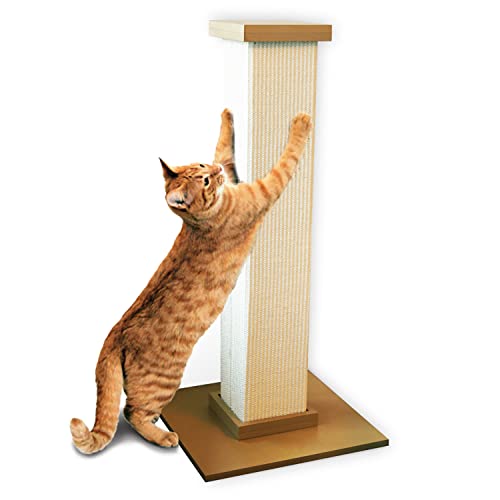
Our top pick is the SmartCat Ultimate Scratching Post for its sisal rope texture that is gentle yet satisfying, plus a sturdy base that prevents tipping. For cats that prefer horizontal scratching, the KONG Naturals Cat Scratcher offers a corrugated cardboard surface that is easy on paws. If your cat needs a tall post for full stretching, the Molly and Friend Lotus Cat Scratching Post combines soft carpet and sisal.
What to consider for Cat Scratching Post For Cats With Sensitive Paws
Cats with sensitive paws often have conditions like hyperesthesia, allergies, or paw pad injuries. The scratching material must be soft enough to avoid irritation but durable enough to satisfy the scratching instinct. Sisal rope is a common choice, but some cats find it too rough; alternatives like carpet or cardboard can be gentler. The post should be stable to prevent wobbling, which can startle a sensitive cat. Height matters too: a post that allows full stretching without forcing the cat to stand on tiptoes reduces paw strain. Finally, consider placement in a quiet, low-traffic area to minimize stress.
What to look for in a cat scratching post for sensitive paws
Look for materials that are soft on paw pads: sisal rope with a fine weave, plush carpet, or corrugated cardboard. Avoid rough jute or abrasive fabrics. The base must be wide and heavy to prevent tipping; a wobbly post can cause anxiety. Height should accommodate your cat’s full stretch (typically 30 to 36 inches for adult cats). Multiple scratching surfaces (vertical and horizontal) give options. Also consider posts with added features like dangling toys or perches, but ensure they don’t create sharp edges. Finally, choose a design that blends into your home to encourage regular use.
How we chose these picks
- Evaluated scratching materials for softness and durability based on manufacturer specifications and customer feedback.
- Prioritized posts with stable, wide bases to prevent tipping and reduce startle risk.
- Selected products with heights suitable for full-body stretching of average adult cats.
- Considered variety in scratching surfaces (sisal, carpet, cardboard) to cater to different paw sensitivities.
- Checked for absence of loose parts, sharp edges, or toxic adhesives.
- Reviewed price points to offer options for different budgets without compromising quality.
- Focused on products from reputable brands known for pet safety and customer service.
- Never ranked a product higher just because it pays a commission.
What to avoid
- Scratching posts with rough or abrasive sisal that can abrade sensitive paw pads.
- Unstable posts that wobble or tip over easily, causing fear and potential injury.
- Posts with dangling strings or small parts that could be chewed off and swallowed.
- Products treated with strong chemical scents or dyes that may irritate paws or respiratory systems.
- Posts that are too short, forcing the cat to crouch or not fully stretch, which can lead to frustration.
For more guidance, explore our cat guides, cat care products, and cat health resources.


