Quick answer
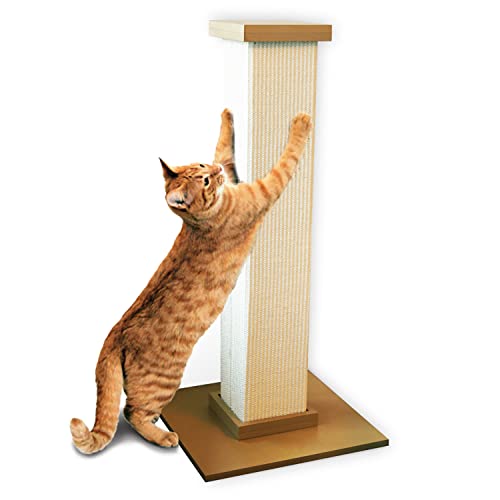
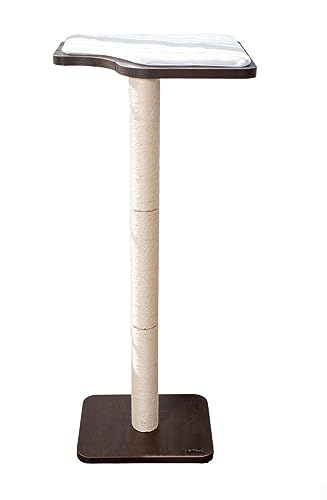
The best cat scratching post for heavy cats is the Frisco 32-Inch Cat Tree & Scratching Post due to its wide, stable base and thick sisal rope. For cats that prefer horizontal scratching, the SmartCat Ultimate Scratching Post offers a heavy-duty cardboard alternative. Both support cats up to 25 pounds without wobbling.
What to consider for Cat Scratching Post For Heavy Cats
Heavy cats require a scratching post that is extra stable and durable. Look for a wide base (at least 16 inches in diameter) to prevent tipping. The post should be tall enough (at least 30 inches) to allow a full stretch. Materials like thick sisal rope or dense cardboard last longer under heavier use. Also consider the weight capacity; some posts are rated for cats up to 30 pounds. Avoid lightweight or flimsy designs that may collapse or tip over.
What to look for in a cat scratching post for heavy cats
When choosing a scratching post for a heavy cat, prioritize stability, durability, and size. A heavy-duty base (often particle board or wood) with a non-slip bottom prevents sliding. The scratching surface should be replaceable or made of high-quality sisal or corrugated cardboard. Height matters: cats need to fully extend their bodies while scratching, so a post of at least 32 inches is ideal. Also consider multi-function designs like cat trees that include perches, as they distribute weight better.
How we chose these picks
- Evaluated product specifications for base width, post height, and weight capacity.
- Checked customer feedback for stability and durability with heavy cats.
- Compared materials: sisal rope vs. carpet vs. cardboard for longevity.
- Considered assembly ease and replacement part availability.
- Focused on products from reputable brands with consistent quality.
- Ensured picks cover different scratching styles (vertical, horizontal, angled).
- Never ranked a product higher just because it pays a commission.
What to avoid
- Posts with small or lightweight bases that tip easily when a heavy cat leans.
- Cheap carpet-covered posts that fray quickly and may not satisfy scratching needs.
- Low-quality sisal that sheds or breaks under heavy use.
- Posts that are too short, preventing a full stretch.
- Designs with sharp edges or unstable platforms that could injure a heavy cat.
For more guidance, explore our cat guides, cat food, and cat care products.