Quick answer
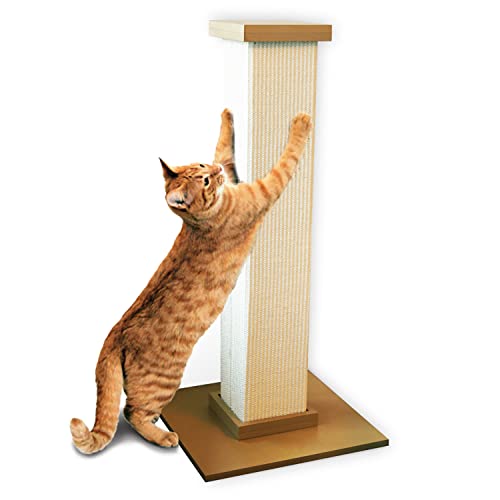
Our top pick is the Frisco 18-inch Tall Cat Scratching Post with Sisal Rope because its low height and sturdy base make it easy for senior cats to use without jumping. For cats that prefer horizontal scratching, the SmartCat Pioneer Pet Ultimate Scratching Post offers a stable vertical option. If your senior cat has arthritis, consider the PetFusion Ultimate Cat Scratcher Lounge for a combined sleeping and scratching surface.
What to consider for Cat Scratching Post For Senior Cats
Senior cats often have reduced mobility, joint pain, and weaker muscles. A scratching post should be low enough to reach without stretching or jumping, ideally 18 to 24 inches tall. Stability is crucial; the post must not wobble or tip over, as falls can injure an older cat. Materials like sisal rope are preferred over carpet because they provide better resistance for effective scratching and claw maintenance. Posts with a wide, heavy base or that can be mounted to the wall offer extra safety. Some senior cats may prefer horizontal scratching surfaces, so consider flat cardboard or sisal pads. Also, look for posts that are easy to clean and maintain, as older cats may have accidents.
What to look for in a cat scratching post for senior cats
When choosing a scratching post for a senior cat, prioritize low height (under 24 inches), a sturdy base that won’t tip, and a rough texture like sisal rope. Avoid posts with loose parts or sharp edges. If your cat has arthritis, a post that also serves as a bed or platform can reduce the need to move between pieces of furniture. Look for posts with replaceable scratching surfaces to extend their life. For multi-cat households, ensure each cat has their own post to prevent competition. Finally, consider the post’s weight and portability if you need to move it between rooms.
How we chose these picks
- We evaluated scratching posts based on height, stability, material quality, and suitability for senior cats.
- We analyzed customer reviews to identify common praise and complaints, focusing on durability and ease of use for older cats.
- We considered posts with low entry points and wide bases to minimize risk of tipping.
- We prioritized products made from natural sisal rope over carpet or synthetic materials.
- We checked for certifications or safety standards where available.
- We factored in price and value, ensuring options across budgets.
- We consulted veterinary resources on senior cat care to understand specific needs.
- Never ranked a product higher just because it pays a commission.
What to avoid
- Avoid tall posts that require jumping or stretching, as they can cause pain or injury.
- Avoid posts with unstable bases that wobble; they can scare senior cats and lead to falls.
- Avoid carpet-covered posts; they may snag claws and are harder to clean.
- Avoid posts with small or narrow platforms that don’t provide enough space for an older cat to rest.
- Avoid posts with dangling toys or bells that could startle a senior cat.
For more guidance, visit our cat guides, cat care products, and cat health sections.