Quick answer
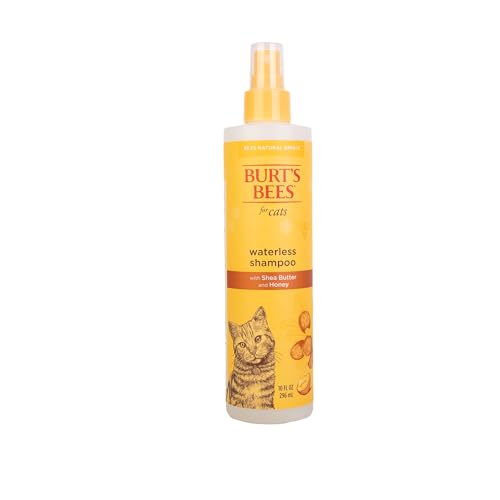
The best cat shampoo for cats in small homes is the Burt’s Bees for Cats Waterless Shampoo because it requires no rinsing, has a mild scent, and uses gentle natural ingredients. For cats with sensitive skin, the Vet’s Best Hypoallergenic Shampoo is a close runner-up. If your cat needs extra odor control, consider Nature’s Miracle Deodorizing Shampoo.
What to consider for Cat Shampoo For Cats In Small Homes
In a small home, space and ventilation are limited. A shampoo that requires extensive rinsing can be messy and stressful. Look for waterless or low-rinse formulas that minimize cleanup. Scent is also crucial: strong fragrances can linger in tight quarters and irritate cats. Choose unscented or mild natural scents. Ingredients should be non-toxic and free of harsh chemicals, as cats groom themselves after bathing. Finally, consider the cat’s temperament: some cats tolerate wipes better than sprays or foams.
What to look for in a cat grooming tool or toy
When choosing a cat shampoo, focus on the formula’s safety and ease of use. Match the shampoo to your cat’s coat type: long-haired cats may need a detangling shampoo, while short-haired cats do well with a gentle all-purpose. For sensitive cats, pick hypoallergenic, fragrance-free options. Ensure the product uses safe, non-toxic ingredients and avoid any with alcohol or sulfates. The right size matters: small bottles are easier to store in a small home. Genuine enrichment comes from a stress-free bathing experience, so choose a shampoo that makes the process quick and calm.
How we chose these picks
- Evaluated ingredient safety and suitability for cats in small living spaces.
- Prioritized waterless or low-rinse formulas to reduce mess and stress.
- Considered scent strength and potential for irritation.
- Reviewed customer feedback for real-world effectiveness on odor and dirt.
- Checked for hypoallergenic and natural options.
- Ensured products are widely available on Amazon.
- Compared price per ounce for value.
- Never ranked a product higher just because it pays a commission.
What to avoid
- Shampoos with artificial fragrances or dyes that can irritate cats.
- Products containing essential oils that are toxic to cats, such as tea tree or citrus.
- Human shampoos or dish soaps that strip natural oils and dry out skin.
- Over-bathing: cats groom themselves; shampoo should only be used when truly needed.
For more grooming tips, check out our cat guides, cat care products, and cat health sections.