Quick answer
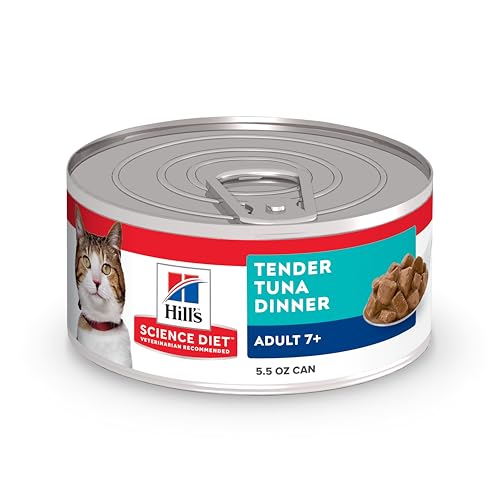
Our top pick for most rescue cats is Royal Canin Feline Health Thin Slices in Gravy. It’s highly palatable, easy to digest, and provides balanced nutrition. For cats with extreme pickiness or dental issues, try Hill’s Science Diet Tender Tuna Dinner. If you’re on a budget, Fancy Feast Classic Pate offers reliable quality at a low price.
What to consider for Cat Treats For Rescue Cats
Rescue cats may have experienced stress, inconsistent feeding, or health neglect. Key considerations include: high digestibility to avoid upset stomachs, strong aroma to entice shy eaters, and simple ingredient lists to minimize allergic reactions. Many rescues also need treats that support urinary health or weight management. Always transition treats slowly, mixing with their current food over 7 to 10 days.
What to look for in a cat food
Look for an AAFCO statement confirming the food is complete and balanced for the cat’s life stage (adult, kitten, or all life stages). The first ingredient should be a named meat (e.g., chicken, salmon) to ensure high animal protein. Taurine, an essential amino acid for cats, must be listed. For rescue cats, wet food with high moisture content can aid hydration and urinary health. Choose a recipe appropriate for age and any known health conditions.
How we chose these picks
- Evaluated ingredient quality: named protein sources, no artificial colors or preservatives.
- Checked AAFCO nutritional adequacy statements for life-stage appropriateness.
- Considered palatability and texture variety to suit picky eaters.
- Prioritized products with positive reviews from rescue organizations and owners.
- Looked for added taurine and balanced omega fatty acids.
- Assessed value: price per ounce and serving size.
- Never ranked a product higher just because it pays a commission.
What to avoid
- Foods with vague meat sources (e.g., “meat meal”) or low protein content.
- Recipes that do not list taurine or have insufficient taurine levels.
- Using all-life-stages food for a senior or kitten without checking specific needs.
- Abrupt diet switches; always transition slowly to avoid digestive upset.
For more guidance, visit our cat guides, cat food reviews, and cat health tips.