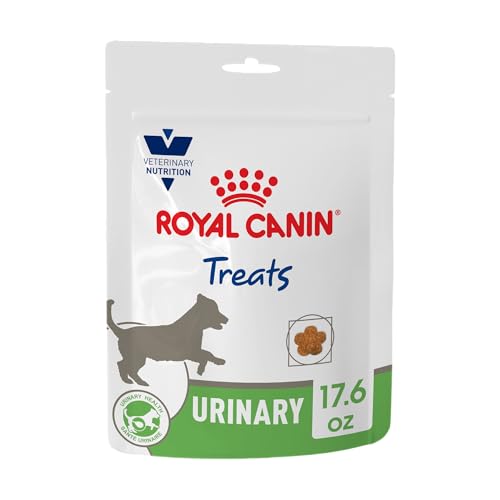
Quick answer
The best cat treat for urinary health overall is Royal Canin Veterinary Diet Urinary SO Treats, as they are formulated to help dissolve struvite stones and maintain a healthy urinary environment. For cats on a budget, Purina Pro Plan Veterinary Diets UR Urinary St/Ox Treats offer similar benefits at a lower price. If your cat prefers soft treats, Hill’s Prescription Diet c/d Multicare Urinary Care Treats are a great option.
What to consider for Cat Treats For Urinary Health
Urinary health treats are designed to support a healthy urinary tract by controlling mineral levels and promoting adequate water intake. Unlike regular treats, these often contain ingredients like DL-methionine to acidify urine and reduce the risk of struvite crystals. They are not a substitute for a complete urinary health diet but can complement it. Always consult your veterinarian before adding any therapeutic treat to your cat’s regimen.
What to look for in a cat food
When choosing a urinary health treat, look for an AAFCO statement indicating it is complete and balanced for adult maintenance or all life stages. The first ingredient should be a named meat source (e.g., chicken, fish) to ensure high animal protein. Adequate taurine is essential for heart and eye health. Moisture content matters: wet treats can help increase fluid intake, which supports urinary health. Ensure the treat is appropriate for your cat’s life stage and any existing health conditions.
How we chose these picks
- Evaluated products based on nutritional profiles and ingredient quality.
- Selected only treats with a clear urinary health claim supported by formulation.
- Prioritized brands with veterinary therapeutic lines (Royal Canin, Hill’s, Purina).
- Checked for AAFCO nutritional adequacy statements.
- Considered palatability and texture variety (crunchy vs. soft).
- Reviewed customer feedback for acceptance and tolerance.
- Compared price per treat to ensure value.
- Never ranked a product higher just because it pays a commission.
What to avoid
- Avoid treats with no named meat source or low animal protein content.
- Steer clear of treats that lack taurine supplementation.
- Do not use all-life-stage treats for kittens or seniors without checking if they meet specific needs.
- Never abruptly switch treats; transition gradually over 7 to 10 days.
For more guidance, browse our cat guides, cat food, and cat health resources.


