Quick answer
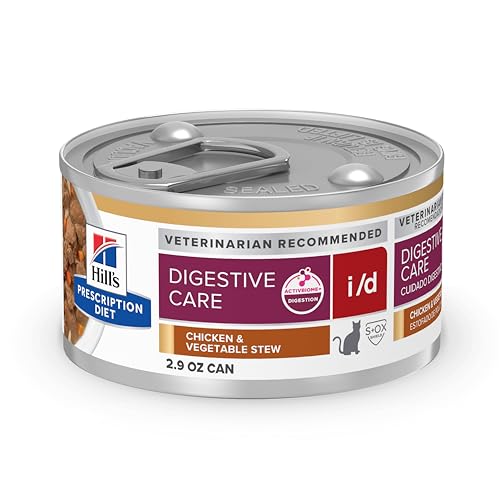
Our top pick for most vomiting cats is Royal Canin Veterinary Diet Gastrointestinal Fiber Response dry cat food, because it is formulated for digestive issues and can be used as a treat. If your cat needs a soft texture, Hill’s Prescription Diet Digestive Care wet food is an excellent alternative. Always consult your veterinarian before changing your cat’s diet.
What to consider for Cat Treats For Vomiting Cats
Vomiting in cats can stem from hairballs, food sensitivities, or underlying health issues. Treats should be low in fat, highly digestible, and contain limited ingredients. Avoid treats with artificial colors, flavors, or high-carb fillers. Look for single-source protein or hydrolyzed proteins that are less likely to trigger an immune response. Wet treats can also help with hydration and are often easier on the stomach.
What to look for in a cat food
When choosing treats for a vomiting cat, look for an AAFCO statement indicating the food is complete and balanced for your cat’s life stage (adult, kitten, or senior). The first ingredient should be a named animal protein (e.g., chicken, salmon). Ensure the product contains adequate animal protein and taurine (essential for feline heart and eye health). For vomiting cats, moderate moisture content (wet food) can soothe the stomach. Also, check for life-stage suitability; kitten foods have different nutrient profiles than senior formulas.
How we chose these picks
- Reviewed ingredient lists for simplicity and digestibility.
- Checked for AAFCO nutritional adequacy statements.
- Focused on products with limited ingredients or hydrolyzed proteins.
- Considered brand reputation and history of veterinary formulas.
- Excluded treats with high fat, artificial additives, or common allergens (corn, soy, wheat).
- Prioritized wet or semi-moist options for easy digestion.
- Cross-referenced recommendations from veterinary nutrition guidelines.
- Never ranked a product higher just because it pays a commission.
What to avoid
- Avoid treats with unnamed meat sources or low animal protein content.
- Steer clear of products that do not list taurine content or use synthetic taurine without assurance of bioavailability.
- Do not default to all-life-stages food for a senior or kitten without checking specific nutrient levels.
- Avoid abrupt diet switches; transition treats gradually over 7-10 days.
For more guidance, browse our cat guides, cat food, and cat health resources.